



In industrial electrical installation, commercial building wiring and power distribution engineering, many construction teams only calculate cable tray load based on current wiring demands. They fill the tray space densely with no reserved margin to save initial costs. This conventional operation seems to improve space utilization, but it leaves serious hidden dangers for long-term system operation, safety compliance and later engineering upgrading.
Spare capacity is an essential design standard for standardized cable tray layout. It refers to the reserved vacant space inside the tray after completing the laying of conventional power cables, signal lines and control wires. Professional electrical manufacturers and engineering institutions clearly require cable trays to retain reasonable spare capacity. As a professional supplier of standard engineering cable tray systems, BDCABLETRAY explains why cable tray spare capacity is indispensable for safe and compliant electrical engineering in this article.

Avoid Cable Overheating & Ensure Stable Heat Dissipation
Heat dissipation is the core factor affecting cable service life and operational safety. Dense cable stacking and fully occupied tray space will block air circulation, cause continuous heat accumulation, and lead to a series of electrical failures. Reasonable spare capacity can effectively solve the heat dissipation bottleneck of high-density wiring.
Prevent Heat Accumulation From Dense Cable Stacking
Each cable will generate continuous heat during current transmission. If the cable tray is fully laid without spare space, the heat generated by each wire cannot be dissipated in time. Heat accumulates inside the tray, raising the overall operating temperature of the cables. Long-term high-temperature operation will accelerate insulation layer aging, reduce cable current-carrying capacity, and easily trigger overload tripping and short-circuit faults.
Maintain Normal Air Convection Inside the Tray
Reserved spare capacity forms a natural air convection channel inside the cable tray. Even under full-load operation of all cables, circulating air can take away excess heat, keep the cable operating temperature within the standard safe range, avoid ampacity derating, and ensure stable power and signal transmission of the electrical system.
Facilitate Later Cable Expansion & System Upgrading
Modern factory production and building electrical systems are not static. With equipment iteration, production line expansion, functional upgrading and intelligent transformation, new circuits and signal lines need to be added regularly. Sufficient tray spare capacity avoids overall wiring reconstruction caused by insufficient space.
Support Enterprise Production & Equipment Iteration
Industrial workshops will continuously add new mechanical equipment, automated control systems and monitoring devices in the later operation stage. These new devices require matching power supply lines and signal cables. Reserved tray spare capacity allows new cables to be laid directly without dismantling the original tray system or renovating wiring passages, saving a lot of renovation time and engineering costs.
Adapt to Intelligent Electrical System Upgrading
With the popularization of intelligent factories and smart buildings, traditional ordinary circuits need to be upgraded to intelligent control lines, communication lines and data transmission lines. The reserved spare space of the cable tray can fully meet the wiring needs of system intelligence transformation, realizing seamless upgrading of the electrical system.
Simplify Daily Maintenance & Fault Troubleshooting
Dense and crowded cable laying will bring great obstacles to daily inspection, maintenance and fault repair. Appropriate spare capacity ensures that engineering personnel can safely and efficiently complete cable inspection, line troubleshooting and partial replacement work.
Convenient Cable Inspection & Temperature Detection
When the cable tray has reasonable spare space, each cable is laid neatly without mutual extrusion and entanglement. Maintenance personnel can directly observe the surface state of the cables, check for insulation aging, damage and local overheating, and use professional equipment for temperature detection to eliminate potential safety hazards in advance.
Quick Fault Location & Line Replacement
In case of circuit failure, signal interruption and line aging damage, the spare gap can support partial cable extraction and replacement. There is no need to move a large number of entangled cables, which greatly improves the efficiency of fault troubleshooting and maintenance, reduces equipment shutdown time and avoids economic losses caused by long-term power failure.
Meet International Electrical & Fire Safety Standards
Major international electrical codes and industrial safety specifications have clear mandatory requirements for cable tray spare capacity. Reasonable reserved space is a key indicator for project safety acceptance and standardized compliance.
Comply with NEC & IEC Wiring Specifications
NEC and IEC electrical standards clearly stipulate that the cable filling rate of ordinary cable trays shall not exceed 80%, and at least 20% spare capacity shall be reserved. This standard aims to ensure cable heat dissipation space and later expansion margin. Cable trays without spare capacity will directly fail professional engineering acceptance and safety audit.
Reduce Fire Spread Risks
Overly dense cables will accelerate flame spread in case of local short-circuit and fire. Reasonable spare space can reduce the stacking density of combustible cables, slow down fire spread speed, and win sufficient time for fire fighting and accident control, improving the overall fire safety level of the electrical system.
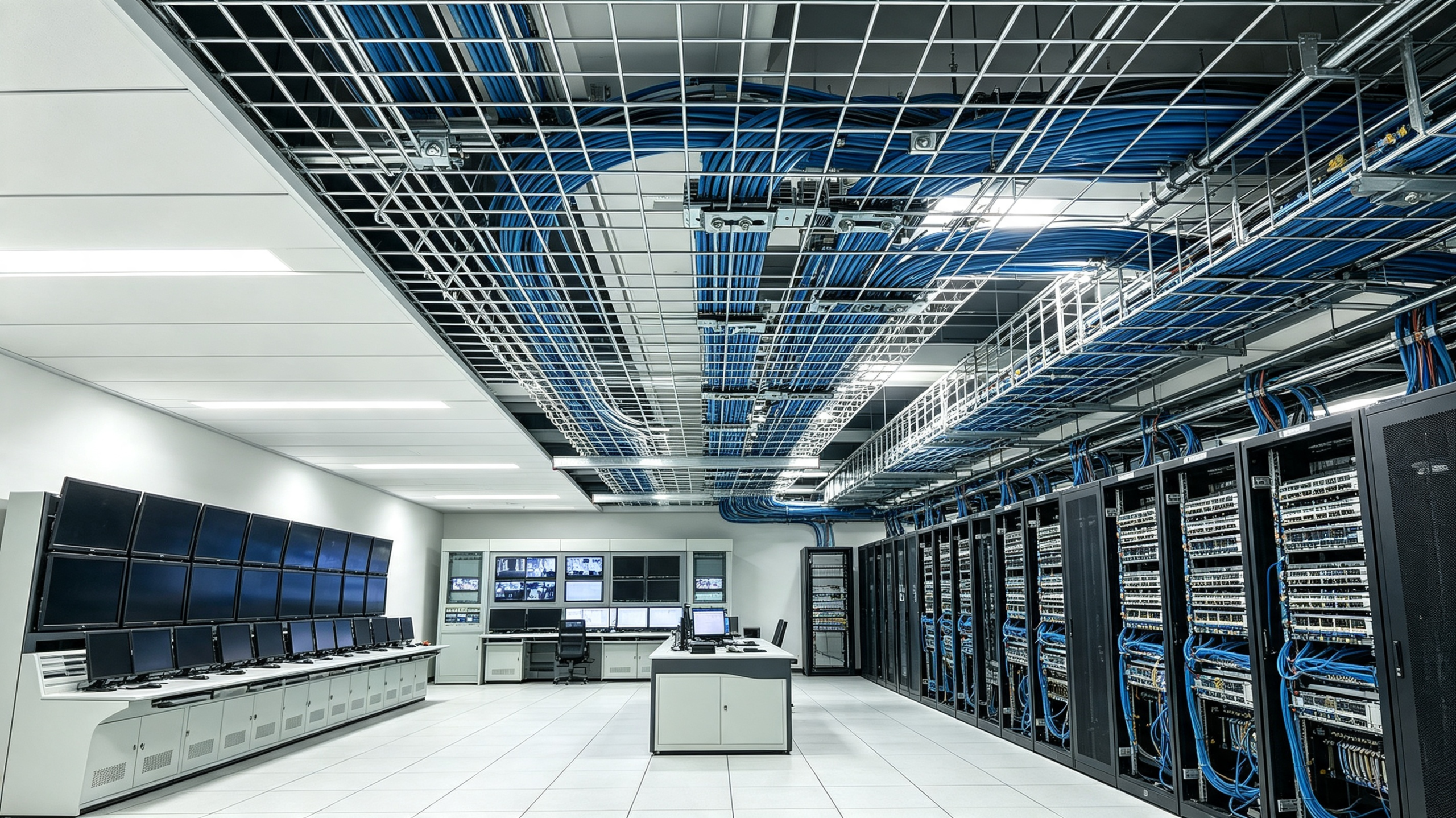
Reduce Long-Term Operational Safety Risks & Costs
Although excessive pursuit of full tray laying can save a small amount of initial material cost, it will bring continuous safety risks and high maintenance costs in the later stage. Reserved spare capacity is a low-cost and high-return safety design.
Avoid Cable Extrusion Damage & Aging Acceleration
Crowded cables will squeeze each other for a long time during operation, causing insulation layer wear and local stress concentration. Long-term accumulation will lead to cable damage and electric leakage. Spare capacity ensures independent and stable laying of each cable, avoiding extrusion damage and extending cable service life.
Cut Reconstruction & Maintenance Costs
Insufficient spare capacity will lead to overall wiring reconstruction once the system needs to be upgraded. Reserved margin avoids repeated investment in tray renovation and wiring construction, reduces daily fault maintenance frequency, and effectively controls the long-term operation cost of enterprise electrical systems.
If you need standard-compliant cable tray layout design, reasonable spare capacity planning and high-quality engineering-grade cable tray products, contact BDCABLETRAY. Our professional engineering team provides free wiring scheme evaluation, cable filling rate calculation and personalized tray selection services to ensure your electrical projects are safe, compliant and upgradable.
FAQ
1. What is the standard spare capacity for cable tray laying?
According to mainstream IEC and NEC international electrical standards, the conventional cable tray spare capacity should be reserved at more than 20%. In short, the cable filling rate should not exceed 80% of the tray internal space. For special scenarios such as long-distance wiring and high-load power circuits, engineers suggest reserving 25% to 30% spare capacity to cope with heat dissipation and later expansion needs.
2. What happens if there is no spare capacity in cable trays?
Cable trays without spare capacity will face many hidden dangers: poor heat dissipation leading to cable overheating and aging, increased short-circuit and fire risks, inability to add new circuits for equipment upgrading, difficult daily maintenance and fault troubleshooting, and failure to pass international electrical safety audits, bringing safety risks and economic losses to the project.
3. Is spare capacity required for both power and signal cable trays?
Yes, both need reasonable spare capacity. Power cables generate large heat and require spare space for heat dissipation; signal and control cables are prone to signal interference and line damage due to dense stacking. Reserved margin ensures stable signal transmission and facilitates later circuit debugging and function upgrading of intelligent systems.
4. Can I save costs by reducing cable tray spare capacity?
It is not recommended. Reducing spare capacity can only save a small amount of initial material cost, but will greatly increase long-term risks. Dense wiring accelerates cable aging, increases fault frequency and maintenance costs, and may lead to project acceptance failure and later overall reconstruction, resulting in higher comprehensive losses.
5. Can BDCABLETRAY provide professional cable tray capacity layout design?
Absolutely yes. BDCABLETRAY has a professional engineering technical team familiar with international electrical standards. We can provide accurate cable filling rate calculation, reasonable spare capacity planning, customized tray model selection and overall wiring layout design according to project type, cable quantity and operation requirements, ensuring full compliance and long-term usability of the project.