



Modern electrical engineering and building wiring design have evolved drastically over the past decade. Traditional wiring methods, including buried conduit piping and direct cable laying, can no longer keep up with the demands of large-scale industrial plants, intelligent buildings, data centers and commercial complexes. These outdated solutions suffer from difficult maintenance, poor heat dissipation, low flexibility and high hidden safety risks.
Today, cable tray systems have become the mainstream wiring solution for almost all modern electrical projects. More engineers and contractors choose cable trays to replace traditional pipe wiring, thanks to their outstanding safety performance, flexible installation, neat wiring layout and long-term cost advantages. BDCABLETRAY, a professional global manufacturer of standard industrial cable trays, explains in detail why cable trays are widely adopted in modern electrical systems, covering practical functions, engineering values and irreplaceable industry advantages.
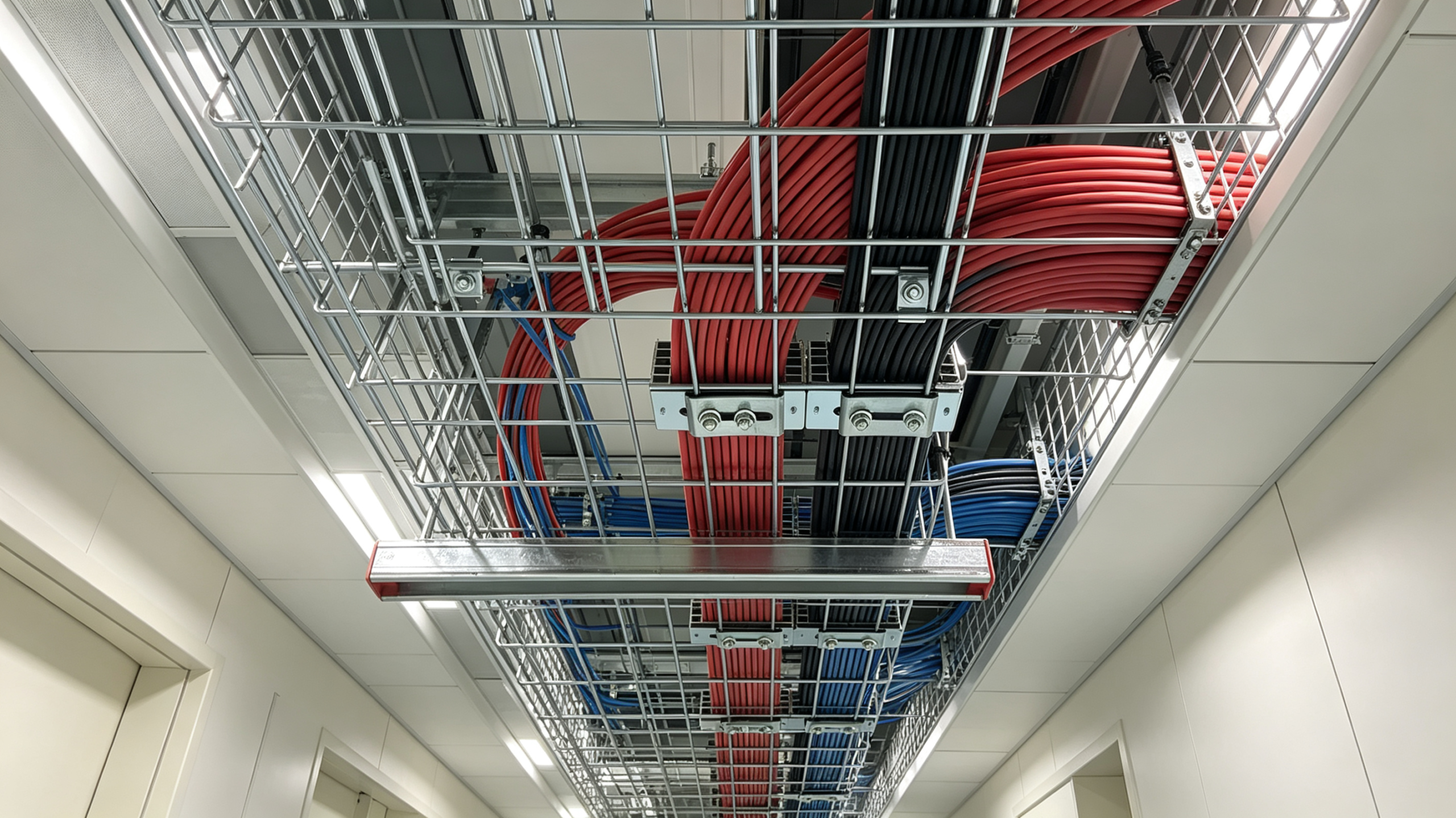
Superior Safety Performance Reduces Electrical System Risks
Electrical safety is always the top priority of modern power system design. Traditional concealed wiring easily causes cable aging, short circuits and hidden fire hazards due to closed heat accumulation and inconvenient daily inspection. Cable tray systems completely optimize the safety loopholes of conventional wiring modes.
Excellent Heat Dissipation Avoids Cable Overheating Failure
Most modern electrical projects involve high-power equipment and dense cable laying. Cable trays adopt open or semi-open structural design, allowing continuous air circulation around power and control cables. This effectively dissipates operating heat, stabilizes cable ampacity, and avoids insulation aging and short-circuit accidents caused by long-term overheating, which is extremely critical for 24/7 continuous operating systems.
Visible Wiring Structure Eliminates Hidden Dangers
Different from fully enclosed buried pipes, cable trays expose wiring routes intuitively. Electrical maintenance personnel can easily check cable aging, abrasion, loose wiring and abnormal temperature during daily patrols. Potential faults can be discovered and handled in the early stage, greatly reducing sudden equipment downtime and fire risks.
Standardized Structure Prevents Cable Chaotic Superposition
Modern electrical systems contain numerous power cables, signal cables and communication lines. Professional cable trays support classified laying and zoning placement, avoiding mixed winding and chaotic extrusion of different lines. It prevents signal interference and circuit friction damage, ensuring stable operation of the entire electrical system.
High Flexibility Adapts to Complex Modern Wiring Scenarios
Modern buildings and industrial plants are constantly upgraded and renovated, putting forward higher requirements for the scalability and adjustability of wiring systems. Traditional fixed conduit wiring is rigid and difficult to modify, while cable trays have extremely high scene adaptability.
Supports Subsequent Circuit Upgrading & Expansion
Intelligent factories and commercial buildings often need to add new equipment and expand power circuits in the later stage. Cable tray systems reserve sufficient laying space. Construction teams can directly add or replace cables without slotting, drilling or dismantling a large number of building structures, which greatly improves the efficiency of electrical renovation.
Flexible Installation for Complex Building Layouts
Modern architectural designs feature diversified structures, including large-span ceilings, curved corridors and multi-layer three-dimensional spaces. Cable trays are equipped with complete accessories such as elbows, tees, reducers and suspenders, which can flexibly adapt to various complex wiring routes. It solves the construction difficulties of traditional pipe wiring in special-shaped spaces.
Applicable for Multiple Cable Types & Specifications
Whether it is heavy high-voltage power cables, thin control cables or network communication cables, cable trays can realize classified laying and standardized management. It meets the integrated wiring needs of strong and weak current systems in modern intelligent buildings, realizing unified planning of the entire electrical system.
Convenient Construction & Maintenance Save Engineering Costs
Modern electrical projects pursue both construction quality and comprehensive cost control. Cable tray systems show obvious cost-performance advantages in the whole cycle of construction, operation and maintenance compared with traditional wiring methods.
Fast On-Site Installation Shortens Project Cycle
Most modern cable trays adopt modular assembly structure, with simple splicing and fixing steps. Compared with the complex procedures of pipe cutting, threading and sealing of traditional conduit wiring, tray installation greatly saves construction time and labor costs, effectively speeding up the overall project progress.
Low Maintenance Cost in Long-Term Operation
Concealed pipe wiring requires a lot of dismantling work once faults occur, with extremely high maintenance costs. Cable trays support quick inspection, local cable replacement and line debugging. Daily maintenance does not damage building decoration and structural facilities, greatly reducing the later operation and maintenance pressure of electrical systems.
Reusable Structure Reduces Secondary Investment
When factory workshops and building functions are adjusted, disassembled cable trays can be reused after simple sorting and cleaning. Compared with disposable conduit materials, cable trays have high recycling value, conforming to the cost-saving and environmental protection concepts of modern engineering construction.
Standardized Design Meets Modern Electrical Compliance Requirements
Global modern electrical projects have increasingly strict safety inspection and compliance standards. Cable tray systems are designed and produced in accordance with IEC, NEMA and other international electrical specifications, which can perfectly meet the audit requirements of industrial and civil construction projects.
Unified Industrial Standards & Stable Quality
Formal cable tray products have standardized specifications in material thickness, structural strength and anti-corrosion performance. BDCABLETRAY cable trays strictly follow international manufacturing standards, with stable load capacity, strong impact resistance and reliable structural performance, avoiding safety hazards caused by irregular wiring tools.
Neat Layout Improves Project Standardization
Modern engineering projects pay attention to standardized construction and visual management. Cable tray wiring is neat and orderly, with clear layering and unified specification. It greatly improves the overall appearance and standardization level of electrical engineering, helping projects pass various safety and quality assessments smoothly.
Strong Environmental Adaptability for Diverse Modern Projects
Modern electrical systems cover diverse scenarios such as indoor buildings, outdoor overhead wiring, coastal humid areas and chemical corrosive environments. Cable trays can realize targeted customization to adapt to different harsh environments.
Multi-Material Selection for Different Scenarios
Steel, aluminum alloy and fiberglass cable trays can be selected according to project environment. Hot-dip galvanized and sprayed anti-corrosion processes effectively resist moisture, salt spray and chemical corrosion, solving the problem of short service life of traditional wiring facilities in harsh environments.
Stable Performance for Long-Term Outdoor Operation
Modern municipal power engineering, photovoltaic projects and outdoor industrial wiring all need long-term exposed operation. High-quality cable trays have excellent UV resistance, weather resistance and anti-aging performance, maintaining stable structural and electrical safety performance for many years.
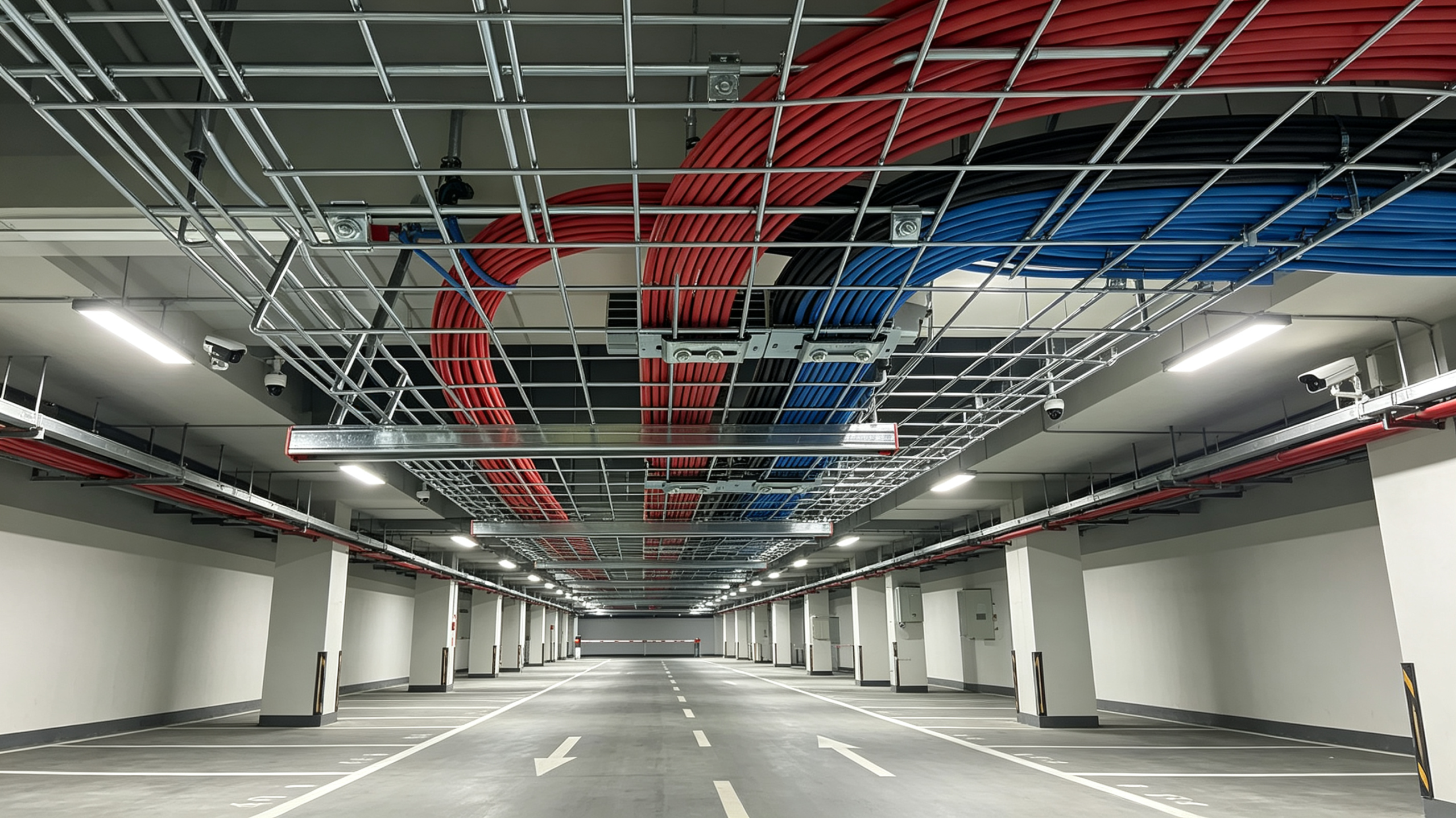
Why Choose BDCABLETRAY Modern Cable Tray Systems
As a trusted global supplier of cable management systems, BDCABLETRAY focuses on designing and manufacturing full-series cable trays suitable for modern electrical engineering. Our product lines cover ladder, channel, mesh and aluminum alloy cable trays, fully meeting the differentiated wiring needs of intelligent buildings, industrial factories, data centers and municipal power projects.
All BDCABLETRAY products comply with international electrical safety standards, with reliable load capacity, excellent heat dissipation performance and super environmental adaptability. We provide one-stop services including free scheme design, specification selection, on-site technical guidance and global after-sales support, helping every modern electrical project achieve safer, more standardized and more cost-effective wiring construction.
If you need high-quality and standard-compliant cable tray solutions for modern electrical system construction and renovation, contact BDCABLETRAY. We provide customized engineering solutions and professional technical support for global customers.
FAQ
1. Why are cable trays more popular than conduit pipes in modern electrical systems?
Cable trays outperform traditional conduit pipes in heat dissipation, later maintenance and construction flexibility. They support visible wiring inspection, free circuit expansion and rapid installation, while avoiding overheating aging and difficult maintenance problems of concealed pipe wiring, perfectly matching the high-standard and scalable characteristics of modern electrical projects.
2. What modern electrical projects are cable trays suitable for?
Cable trays are widely used in almost all modern electrical scenarios, including intelligent factory workshops, commercial office buildings, data centers, warehousing logistics parks, municipal power engineering, photovoltaic power stations and coastal industrial projects. They can realize standardized wiring for both strong and weak current systems.
3. Do cable trays affect the safety and stability of electrical systems?
Qualified cable trays improve electrical system safety instead of reducing it. Standard cable tray structures avoid cable extrusion and chaotic winding, optimize heat dissipation conditions, and facilitate daily fault inspection. All BDCABLETRAY products comply with international safety standards, effectively reducing various hidden dangers in electrical operation.
4. Is the overall cost of cable tray wiring higher than traditional piping?
The initial installation cost is slightly higher, but the long-term comprehensive cost is much lower. Cable trays shorten the construction cycle to save labor costs, reduce later maintenance and renovation investment, and support repeated disassembly and reuse. For large and long-term modern electrical projects, cable trays have obvious cost-performance advantages.
5. Can cable trays adapt to harsh outdoor and corrosive environments?
Yes. BDCABLETRAY provides multiple material and surface treatment options. Hot-dip galvanized steel trays, fluorocarbon-coated trays and fiberglass trays can effectively resist UV radiation, rain erosion, salt spray and chemical corrosion, fully meeting the long-term stable operation needs of outdoor and harsh industrial modern electrical systems.