


Modern electrical systems rely heavily on organized wiring. As buildings become smarter and industrial facilities become more advanced, the demand for efficient Cable Tray systems continues to grow. A reliable Cable Tray helps you organize cables safely, improve airflow, simplify maintenance, and support long-term operational stability.
Whether you manage a commercial building, a factory, or a data center, cable management directly affects efficiency and safety. Among many available solutions, wire mesh structures have become increasingly popular because they combine flexibility, strength, and easy installation.
If you are searching for a professional manufacturer with strong industrial experience, BD FENCE has earned recognition across global markets through advanced production capability and stable product quality. With more than 30 years of manufacturing experience, a 15,000㎡ production facility, over 80 advanced machines, and strict inspection procedures, the company supplies durable metal solutions to customers in more than 70 countries. Its production system covers welding, galvanizing, PE coating, and powder coating, helping customers achieve reliable performance in demanding industrial environments. For contractors and project owners who value consistent quality and responsive support, the company provides flexible manufacturing and dependable service throughout the project cycle.
What Are Cable Trays and Why Are They Important
Cable management systems have become essential in modern construction and industrial engineering. Before choosing a suitable system, it is important to know how these structures work and why they matter in daily operations.
The Basic Function of Cable Tray Systems
A Cable Tray is a structural support system designed to hold and route electrical cables. Instead of placing wires inside fully enclosed conduits, tray systems keep cables organized and accessible.
This structure allows technicians to inspect, repair, or replace cables more efficiently. In large facilities where cable quantities continue to increase, organized routing helps improve both safety and maintenance efficiency.
How Cable Trays Improve Operational Safety
Poor cable organization can create overheating risks, maintenance difficulties, and unnecessary downtime. A properly installed tray system keeps cables separated and supported, which helps reduce physical damage and improve ventilation.
In industrial environments where equipment operates continuously, stable cable routing also improves long-term system reliability. Better organization allows technicians to identify problems faster during inspection and maintenance work.
Industries That Commonly Use Cable Tray Systems
Cable management systems are widely used in factories, airports, commercial buildings, power plants, hospitals, and communication facilities. These industries often require large amounts of power and data cables operating simultaneously.
As infrastructure projects become more technology-driven, the need for flexible and scalable cable management solutions continues to increase across global markets.
Why Wire Mesh Cable Tray Systems Are Becoming More Popular
Traditional cable routing methods often create limitations during installation and maintenance. Wire mesh structures offer a more flexible approach that adapts better to modern construction requirements.
Better Airflow for Heat Dissipation
One major advantage of wire mesh systems is their open structure. Better airflow around cables helps reduce heat accumulation, especially in high-density electrical environments.
This feature is particularly important in data centers and industrial facilities where stable temperatures support cable performance and operational safety.
Faster Installation and Easier Adjustments
Wire mesh systems are lightweight and easy to modify during installation. Contractors can cut and shape the trays directly on-site without requiring complicated tools or time-consuming adjustments.
This flexibility becomes extremely useful when project layouts change unexpectedly during construction. Faster installation can also help reduce labor costs and shorten project schedules.
Simplified Maintenance and Cable Expansion
Modern facilities often require additional cable routing after installation. Open mesh structures make it easier to add or reorganize cables without dismantling large sections of equipment.
Visible cable layouts also help maintenance teams identify issues quickly, improving inspection efficiency and reducing operational interruptions.
Different Applications for Wire Mesh Cable Tray Solutions
Different industries require different cable management strategies. Wire mesh systems are versatile enough to support a wide range of commercial and industrial applications.
Commercial Building Cable Management
In office buildings and shopping centers, wire mesh trays are commonly installed above ceilings or beneath raised floors. Their lightweight structure allows efficient routing in limited spaces.
Clean cable organization also improves maintenance accessibility while supporting modern building management systems and communication networks.
Industrial and Manufacturing Facilities
Factories require durable cable support systems that can handle vibration, dust, and continuous equipment operation. Strong welded structures provide stable support for heavy cable loads in demanding environments.
Corrosion-resistant surface treatments also help maintain long-term durability in workshops and industrial plants exposed to moisture or chemicals.
Data Centers and Smart Infrastructure
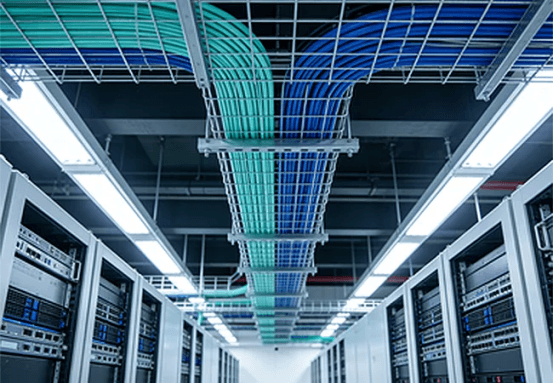
Data centers require highly organized cable layouts to support cooling efficiency and simplify maintenance work. Open mesh designs improve airflow around communication cables and power lines.
As smart infrastructure continues to expand globally, flexible cable routing systems are becoming increasingly important for high-performance facilities.
How to Choose the Right Cable Tray for Your Project
Choosing the correct system requires more than selecting a standard size. You should evaluate project conditions carefully before making a purchasing decision.
Evaluating Load Capacity and Cable Volume
Different projects require different support strengths. Heavy power cables need stronger tray structures than lightweight communication wiring.
You should calculate current cable requirements while also leaving enough space for future expansion. Proper planning improves long-term efficiency and reduces later modification costs.
Selecting Suitable Surface Treatments
Environmental conditions directly affect product lifespan. Indoor projects may use standard galvanized finishes, while outdoor installations usually require stronger corrosion resistance.
Powder coating and PE coating help protect steel surfaces from moisture, chemicals, and harsh weather conditions, extending service life significantly.
Choosing Flexible and Durable Structures
Modern projects often involve changing layouts and equipment upgrades. Flexible tray systems simplify future modifications and improve installation efficiency.
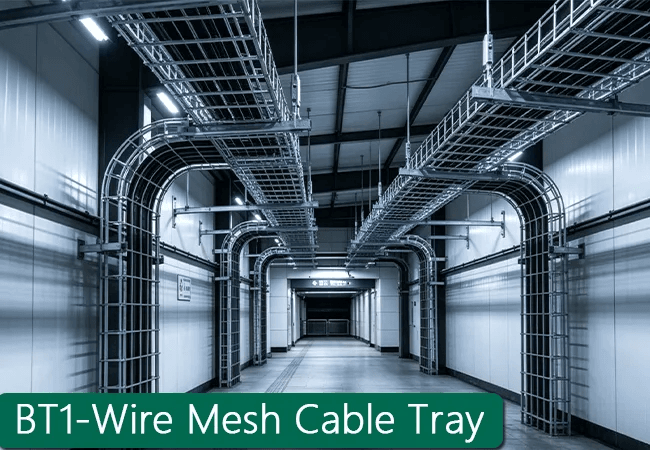
To support various project requirements, Wire Mesh Cable Tray solutions are manufactured with durable steel materials, stable welding technology, and multiple surface treatment options suitable for commercial and industrial applications.
Manufacturing Quality Directly Affects Long-Term Performance
Even the best installation design depends heavily on manufacturing quality. Reliable production standards help maintain long-term structural stability and operational safety.
Advanced Production Equipment Improves Precision
Modern manufacturing facilities use automated welding equipment and advanced coating lines to improve consistency and production efficiency.
Precise welding and accurate mesh dimensions help maintain structural integrity, especially in projects requiring large-scale cable support systems.
Strict Quality Inspection Supports Reliability
Professional manufacturers usually perform inspections for wire diameter, coating thickness, mesh size, and structural stability before shipment.
These inspection procedures help reduce installation problems and improve long-term performance in demanding industrial environments.
Stable Supply and Global Export Capability
Large international projects often require stable production schedules and reliable logistics coordination. Efficient packaging and organized shipping help reduce transportation risks and project delays.
With advanced production facilities and experienced technical teams, industrial metal solution providers can support customized manufacturing requirements while maintaining consistent product quality for global customers.
Installation and Maintenance Tips for Better Cable Management
Good installation practices improve both safety and operational efficiency. Proper maintenance also helps extend the lifespan of the entire cable routing system.
Planning Cable Routes Before Installation
Before installation begins, you should evaluate cable paths carefully to avoid unnecessary bending or overcrowding. Organized routing improves both appearance and maintenance efficiency.
Proper planning also helps technicians complete installation work more smoothly while reducing material waste during construction.
Maintaining Proper Support Spacing
Support intervals directly affect structural stability. Incorrect spacing may lead to tray deformation when cable loads increase over time.
Following proper support guidelines helps maintain long-term reliability and prevents unnecessary structural stress.
Performing Regular Inspection and Maintenance
Routine inspection helps identify loose fittings, dust accumulation, or overloaded cable sections before they create operational problems.
Well-maintained cable systems improve workplace safety, reduce downtime, and support long-term infrastructure performance.
Conclusion
As industrial infrastructure becomes more advanced, Cable Tray systems continue to play a critical role in safe and efficient cable management. Among different solutions, wire mesh structures provide an excellent balance of flexibility, ventilation, durability, and installation efficiency.
From commercial buildings to manufacturing facilities and data centers, choosing the right system helps improve organization, simplify maintenance, and support future expansion. Product quality, corrosion resistance, and professional manufacturing capability also remain important factors when selecting a supplier.
If you need a durable and flexible cable management solution supported by advanced manufacturing and global project experience, Wire Mesh Cable Tray solutions here can provide dependable support for a wide range of modern applications.
FAQ
Q1: What is a Cable Tray used for?
A1: A Cable Tray is used to support and organize electrical cables safely in commercial, industrial, and infrastructure projects.
Q2: Why are wire mesh cable trays widely used today?
A2: Wire mesh structures provide better airflow, easier maintenance, lightweight handling, and flexible installation compared with many traditional cable routing systems.
Q3: Can wire mesh cable trays be used outdoors?
A3: Yes. With galvanized, powder-coated, or PE-coated surfaces, they can resist corrosion and perform well in outdoor environments.
Q4: How do you select the correct Cable Tray size?
A4: You should evaluate cable quantity, load capacity, environmental conditions, ventilation requirements, and future expansion plans before selecting a tray system.
Q5: Are wire mesh cable trays suitable for data centers?
A5: Yes. Their open structure improves airflow and simplifies cable organization, making them highly suitable for data centers and communication facilities.