



Understanding NEMA VE 1 Standards for Metal Cable Tray Systems
NEMA VE 1 is an important reference for metal cable tray systems used in industrial facilities, commercial buildings and electrical infrastructure projects. It covers requirements related to cable tray construction, testing and performance.
For electrical contractors, engineering companies, distributors and project procurement managers, understanding NEMA cable tray standards helps evaluate product specifications and manufacturing quality before purchasing.
This guide explains the main requirements associated with NEMA VE 1 and what buyers should check when sourcing metal cable trays.
1. What Is the NEMA VE 1 Standard?
NEMA VE 1, titled Metal Cable Tray Systems, establishes technical requirements for metal cable trays and associated fittings designed for use under the US National Electrical Code (NEC) and Canadian Electrical Code (CEC).
It addresses important areas including:
- Cable tray construction requirements.
- Product performance and testing.
- Structural and mechanical characteristics.
- Load and span classifications.
- Product marking and technical information.
Important standard update: The earlier NEMA VE 1-2017 publication has been superseded by NEMA BI 50015-2017 (2024), which retains the title Metal Cable Tray Systems. Buyers should confirm the applicable edition specified in their project documents.
2. Which Cable Tray Types Are Covered?
NEMA metal cable tray classifications include several common structures:
Ladder Cable Tray: Designed with two side rails connected by transverse rungs, commonly used for larger cable runs.
Trough Cable Tray: Provides a ventilated cable support structure.
Channel Cable Tray: Features a compact design for smaller cable installations.
Single Rail Cable Tray: Uses a single supporting rail structure.
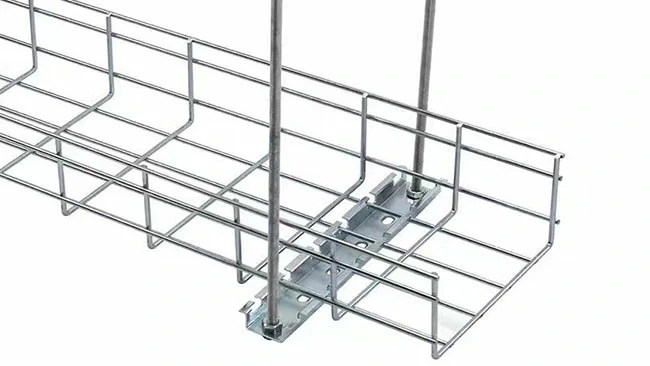
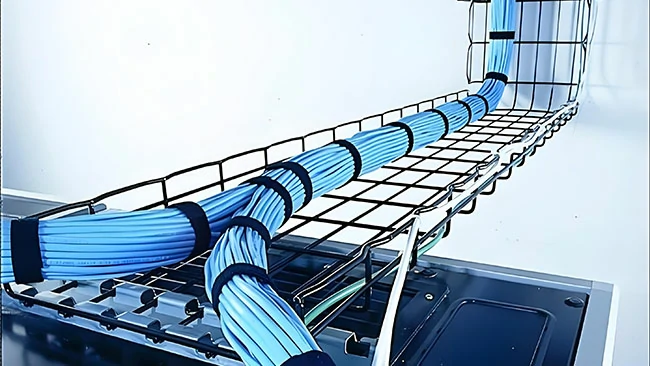
Wire Mesh Cable Tray: Manufactured from welded steel wires to create an open-grid structure.
Other Metal Cable Tray Systems: Other configurations covered by the applicable standard.
These classifications help engineers and purchasers identify suitable products for different cable management requirements.
3. Key Requirements Buyers Should Understand
When evaluating a metal cable tray against NEMA VE 1 requirements, pay attention to the following areas.
Construction and Dimensions
Check the tray structure, dimensions, material specifications, connections and associated fittings.
For wire mesh cable trays, important parameters include wire diameter, mesh opening, tray width and side height.
Load and Span Classification
Cable tray load performance depends on the product structure, cable weight and support span.
NEMA provides load/span classification information to help engineers evaluate tray performance.
Buyers should request manufacturer load data and confirm that the selected configuration meets project requirements.
Testing and Product Performance
Product testing helps evaluate whether a cable tray meets the specified mechanical and performance requirements.
Request relevant test reports and verify that they correspond to the actual product design and specifications being purchased.
Product Marking and Documentation
Confirm product identification, technical specifications and required documentation according to the project and applicable standard.
4. What Should Buyers Check Before Ordering?
For international engineering projects, use the following checklist when evaluating cable tray manufacturers.
| Inspection Item | What to Verify |
|---|---|
| Product Type | Wire mesh, ladder, trough or channel |
| Material | Approved steel or other specified material |
| Dimensions | Width, side height and section length |
| Wire Diameter | Required specification for mesh trays |
| Mesh Opening | Required mesh dimensions |
| Surface Treatment | Electro-galvanized, hot-dip galvanized or powder coated |
| Load Performance | Manufacturer load/span data |
| Welding Quality | Weld consistency and joint integrity |
| Test Documents | Relevant product inspection and test reports |
| Project Compliance | Applicable standard and edition |
Providing technical drawings and project specifications helps manufacturers evaluate the required product configuration.
5. NEMA VE 1 vs. NEMA VE 2: What Is the Difference?
These standards serve different purposes.
| Standard | Main Purpose |
|---|---|
| NEMA VE 1 | Metal cable tray construction, testing and performance |
| NEMA VE 2 | Metal cable tray installation guidelines |
The newer publication identifiers are NEMA BI 50015-2017 (2024) for metal cable tray systems and NEMA BI-50016-2024 for installation guidelines.
For installation practices, buyers and contractors should also consider applicable NECA/NEMA installation requirements.
6. Wire Mesh Cable Tray Solutions from BDCABLETRAY
BDCABLETRAY provides wire mesh cable tray solutions for industrial facilities, commercial buildings, data centers and infrastructure projects.
Our customization options include:
- Wire diameter and mesh opening.
- Tray width and side height.
- Section length.
- Material and surface treatment.
- Connectors and mounting accessories.
For projects specifying NEMA requirements, buyers can provide the applicable standard edition, technical drawings and load requirements so that product specifications and supporting documentation can be reviewed.
Looking for a wire mesh cable tray manufacturer for your project?
Send us your technical drawings, required specifications or bill of quantities (BOQ). Our team can help evaluate your requirements and provide a suitable product solution and quotation.
Contact BDCABLETRAY today to discuss your cable tray requirements.