



Most factory electrical contractors face a common on-site dilemma. Ladder and perforated cable trays work great for heat dissipation in clean environments, but they cannot block falling metal shavings, floating dust, oil mist and condensed water. In machining workshops, chemical production lines and precision testing zones, these tiny pollutants keep accumulating on cable insulation over time. This gradually causes sheath wear, partial discharge and unstable signal transmission, leading to unplanned downtime and repeated on-site maintenance.
This is exactly where solid bottom cable trays stand out. Featuring a fully continuous closed base without any hollow gaps, this tray type delivers full physical isolation and basic electromagnetic shielding. It is the most practical solution for harsh industrial sites that demand cable cleanliness and signal stability. BDCABLETRAY recently completed a full cabling retrofitting project for a local integrated machinery manufacturing plant. This real-site case shares the actual on-site problems, customized solid bottom tray design and long-term operational improvements after replacement.
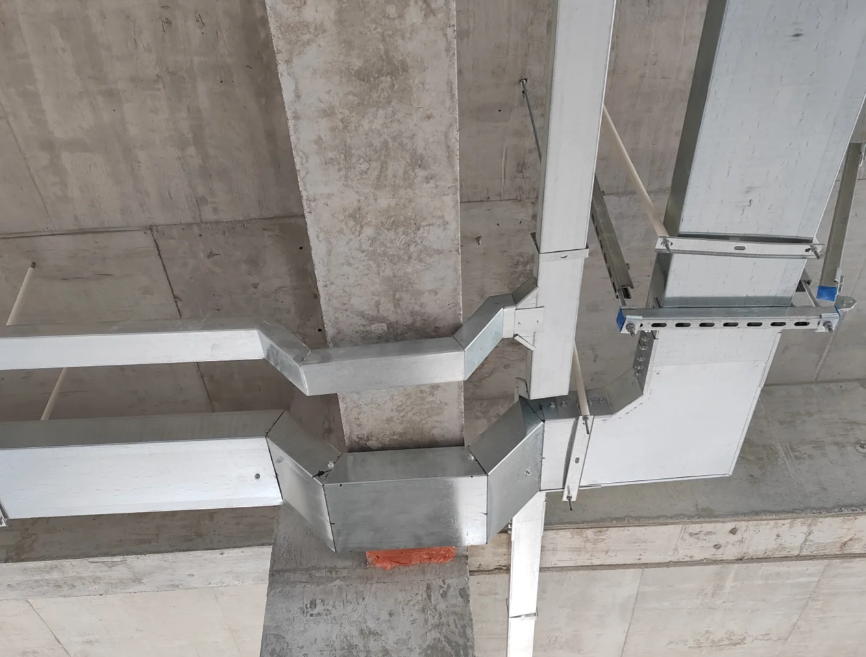
On-Site Project Background & Existing Cabling Issues
The client is a medium-sized machinery manufacturing factory, including metal cutting workshops, automatic polishing stations and a precision quality inspection room. The original cabling system adopted ordinary perforated cable trays for all areas. After three years of continuous operation, the exposed hollow structure triggered multiple recurring problems. The frequent equipment tripping and unstable testing data seriously affected daily production efficiency and product yield.
Falling Workshop Pollutants Cause Continuous Cable Dirt Accumulation
During daily cutting and polishing processes, a large amount of fine metal dust and tiny iron scraps float in the air. Meanwhile, lubricating oil mist and cooling water droplets constantly splash from processing equipment. The perforated tray bottom cannot block these falling pollutants. A thick layer of mixed dust and oil gradually covers the cable surface, blocking heat dissipation and accelerating insulation aging.
Unshielded Hollow Structure Triggers Frequent Signal Interference
The quality inspection room uses a large number of low-voltage signal cables and data transmission lines. The original open perforated trays have no effective shielding structure. High-power motors and processing equipment generate strong electromagnetic radiation during operation, which interferes with nearby weak current lines. The on-site team often encountered delayed sensor feedback and inaccurate detection data, resulting in repeated product testing.
Small-Diameter Control Cables Suffer From Sagging & Deformation
Perforated and ladder trays only provide intermittent support points. Some thin control cables and fiber optic lines lack continuous bottom support, causing gradual sagging after long-term use. Excessive bending radius not only affects signal stability but also easily leads to internal wire breakage, bringing hidden electrical safety risks.
High-Frequency Manual Cleaning Raises Operating Costs
To avoid short circuits and aging failures, the factory maintenance team had to organize regular cable cleaning every month. The work requires professional electricians to shut down equipment and climb for dust removal, which consumes plenty of labor time. Even with regular cleaning, hidden dirt in tiny gaps cannot be completely removed, failing to solve the root problem.
BDCABLETRAY Tailored Solid Bottom Cable Tray Solution
After on-site investigation and communication with the client’s electrical engineering team, BDCABLETRAY abandoned the original unified perforated tray layout. We adopted classified matching design: installing heavy-duty anti-corrosion solid bottom cable trays in processing pollution areas and precision testing areas, while retaining ventilated trays only for simple power distribution zones. This targeted scheme balances pollution protection, signal stability and basic heat dissipation needs.
Continuous Solid Base Realizes Full Barrier Protection
BDCABLETRAY solid bottom cable trays adopt one-piece stamping forming technology with fully closed seamless bottom. Compared with perforated trays, it completely isolates falling metal scraps, oil mist and condensed water. All internal power cables and signal lines are fully protected, effectively avoiding insulation corrosion and dirt accumulation, and keeping the whole cabling system clean for a long time.
Integrated Metal Structure Improves EMI Shielding Performance
The complete metal plate structure provides reliable electromagnetic shielding effect, which is far better than open hollow trays. It effectively suppresses electromagnetic interference between high-power equipment and precision signal lines, ensures stable and consistent data transmission, and completely solves the problem of inaccurate testing data caused by line interference in the quality inspection room.
Drainage Hole Design Avoids Internal Moisture Accumulation
Aiming at the weakness that closed trays may accumulate moisture, BDCABLETRAY reserves standard tiny drainage holes at the bottom interval positions according to industrial installation standards. This design discharges condensed water in time while preventing external pollutants from entering, avoiding local moisture accumulation and ensuring dry internal cabling environment all year round.
Full Anti-Corrosion Treatment Adapts To Harsh Workshop Environment
All solid bottom trays used in the project are made of thickened cold-rolled steel plates, with hot-dip galvanizing and electrostatic double spraying anti-corrosion treatment. The surface is smooth and wear-resistant, not easy to adhere to oil stains and dust. It can resist long-term industrial atmosphere corrosion and equipment vibration, adapting to 24-hour continuous production operation.
Full Support Structure Prevents Cable Sagging & Deformation
The fully flat continuous bottom provides comprehensive support for all types of cables, especially suitable for small-diameter control lines and optical fibers. It effectively avoids cable sagging and excessive bending, protects line performance, and extends the overall service life of the cabling system.
Post-Project Operation Results & Actual Improvements
After the completion of the solid bottom cable tray renovation, the on-site cabling condition has been significantly improved. After 12 months of stable operation, there is no dust and oil accumulation inside the trays, and no cable aging or interference failure occurs. The equipment operation stability and product testing accuracy have been greatly upgraded.
In terms of safety and stability, the fully enclosed protection completely eliminates short circuit risks caused by pollutant accumulation. The electromagnetic shielding function ensures zero interference of precision signal lines, effectively reducing product defective rate and improving overall production efficiency.
In terms of daily maintenance, the closed and anti-fouling structure reduces manual cleaning frequency by over 90%. The maintenance team only needs regular simple visual inspection, saving a lot of labor and time costs. The neat and standardized cabling layout also helps the factory pass annual industrial electrical safety audits smoothly.
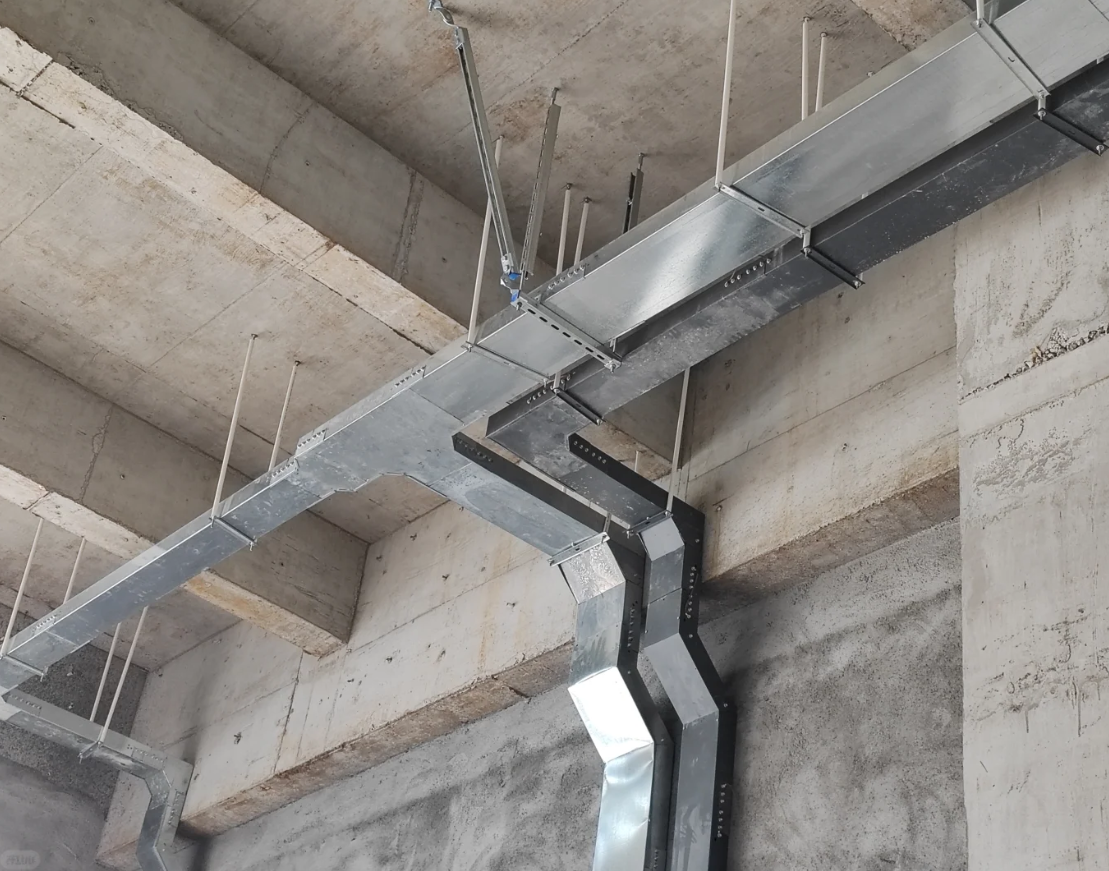
Typical Application Scenarios for BDCABLETRAY Solid Bottom Cable Tray
Machining & Metal Processing Workshops
Ideal for cutting, polishing, lathe and milling workshops with frequent metal dust, scrap falling and oil mist splashing, providing full physical protection for production cables.
Precision Testing & Instrumentation Rooms
Suitable for precision detection, automation control and instrument working areas, effectively shielding electromagnetic interference and ensuring stable signal transmission.
Chemical, Pharmaceutical & Food Processing Plants
Adapt to working conditions with chemical droplets, dust pollution and clean environment requirements, meeting industrial clean production and safety specifications.
High-Density Signal & Data Cabling Zones
Perfect for dense control cable laying areas and edge computing rooms, supporting full cable support and stable anti-interference operation.
Core Strengths of BDCABLETRAY Solid Bottom Cable Tray
Seamless Solid Base for Full Pollution Isolation
One-piece stamping seamless structure blocks all falling debris, dust and liquid pollutants, solving the inherent protection defects of open perforated and ladder trays.
Stable EMI Shielding for Precision Signal Lines
Complete metal plate structure forms effective shielding layer, reducing electromagnetic interference and ensuring accurate and stable operation of automatic equipment and testing instruments.
Full Cable Support Prevents Line Damage
Continuous flat bottom provides comprehensive support for thin cables and optical fibers, avoiding sagging, excessive bending and internal wire breakage problems.
Low Maintenance & Strong Environmental Adaptability
High-standard anti-corrosion and anti-fouling process adapts to harsh industrial environments, reducing later maintenance pressure and lowering long-term project operation costs.
If your factory faces cable dust pollution, signal interference and frequent maintenance troubles in harsh working areas, contact BDCABLETRAY. Our professional engineering team provides free on-site survey, targeted tray type selection and personalized cabling scheme design to create safe, stable and low-maintenance industrial wiring systems.
FAQ
1. What is the practical difference between solid bottom cable tray and perforated tray in industrial use?
The biggest difference lies in protection capability and shielding performance. Perforated trays have hollow holes, which cannot block falling dust, metal scraps and oil mist, and provide almost no electromagnetic shielding. Solid bottom cable trays adopt seamless closed base, which can fully isolate external pollutants. Meanwhile, the complete metal structure effectively suppresses EMI interference, making it more suitable for polluted workshops and precision signal cabling scenarios.
2. Will solid bottom cable trays cause poor cable heat dissipation?
It will not affect normal safe heat dissipation. BDCABLETRAY optimizes internal space layout and matches scientific cable laying density standards. We also reserve reasonable drainage and micro-ventilation gaps at the bottom. Different from fully sealed closed structures, our design balances pollution protection and natural convection heat dissipation, completely meeting industrial long-term operation heat dissipation requirements.
3. Which industrial sites must adopt solid bottom cable trays?
Sites with pollutant falling and high-precision signal transmission requirements are mandatory for solid bottom trays, including metal machining workshops, chemical production zones, pharmaceutical clean rooms, precision testing rooms and high-density control cable areas. Ordinary open trays cannot meet the anti-pollution and anti-interference standards of these scenarios.
4. Is the later maintenance of solid bottom cable trays more troublesome?
Actually, it greatly reduces maintenance workload. Open trays are easy to accumulate dust and oil in gaps, requiring frequent shutdown cleaning. BDCABLETRAY solid bottom trays have smooth and closed surfaces with no dirt storage gaps. The internal cables are always clean, and daily maintenance only needs simple regular inspection, saving a lot of labor and time costs.
5. Can BDCABLETRAY customize solid bottom trays for special working conditions?
Yes. We support full personalized customization according to on-site working conditions, including tray thickness, width, galvanizing or spraying process, drainage hole position and spacing. We can also add internal isolation partitions for strong and weak current separation, and match different cover plate types to meet the differentiated needs of various harsh industrial projects.