



Cable tray systems form the backbone of all industrial and commercial electrical wiring layouts. Most facility managers and electrical contractors focus heavily on tray material, size specification and installation quality, yet easily overlook a critical hidden hazard: cable overcrowding. Many on-site teams tend to maximize tray space during wiring, stacking excessive power cables, control wires and data cables in a single tray to save costs and simplify layout.
Over time, overloaded cable trays lead to serious operational problems. Stuffed cables cannot dissipate heat effectively, resulting in continuous temperature rise, insulation aging and reduced cable ampacity. Crowded wiring also causes messy cable overlapping, increased friction wear, difficult later maintenance and even hidden fire risks. Worse still, overcrowded cable layouts fail standard electrical safety audits, bringing unnecessary rectification losses to projects. As a professional manufacturer of standardized cable tray solutions, BDCABLETRAY sorts out practical and compliant methods to avoid cable overcrowding in this complete guide.
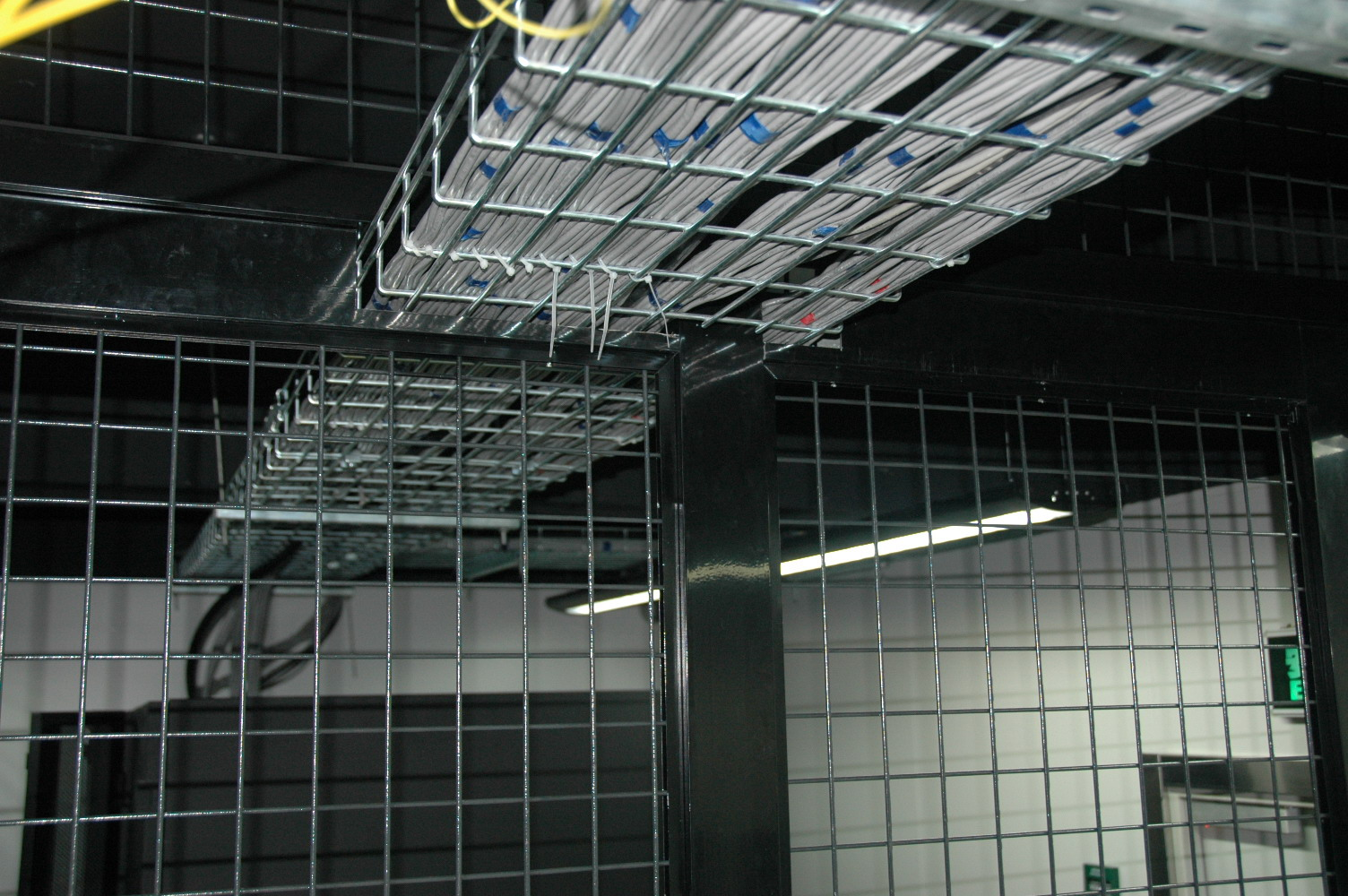
Understand Dangers of Cable Overcrowding in Tray Systems
Many on-site construction teams underestimate the harm of cable overcrowding, thinking that “as long as cables can fit in the tray, it is safe”. In fact, the reserved empty space in standard cable trays is not redundant design, but a key guarantee for heat dissipation, ventilation and later maintenance. Long-term overcrowded operation will trigger a series of chain safety failures.
Heat Accumulation Accelerates Cable Insulation Aging
Every working cable generates continuous heat during operation. When multiple cables are crowded and stacked without gaps, heat cannot circulate and dissipate normally. Long-term high-temperature accumulation will accelerate insulation layer aging, hardening and cracking, greatly shortening the service life of cables. In severe cases, local overheating will cause short circuits and equipment tripping failures, affecting continuous factory production.
Messy Stacking Causes Mechanical Wear & Hidden Faults
Overcrowded cables squeeze and overlap with each other. During equipment vibration and thermal expansion and contraction, cable skins rub against each other and the tray edge for a long time, causing insulation wear and leakage risks. In addition, dense and messy wiring makes it impossible to quickly distinguish circuit lines, bringing great difficulties to later circuit inspection, fault troubleshooting and line replacement.
Violates Industry Safety Standards & Leads to Audit Failure
International electrical codes and industrial safety specifications have clear regulations on cable tray fill ratio. Excessive cable stacking and overcrowding directly violate standardized construction requirements, resulting in project safety audit failure, mandatory rectification and additional engineering costs, affecting project delivery progress.
Follow Standard Fill Ratio Rules for Different Tray Types
The core of preventing cable overcrowding is to control a scientific fill ratio, which varies according to different cable tray structures and cable types. Blind unified wiring standards are the main cause of on-site overcrowding. Grasping targeted fill standards can fundamentally avoid overloading risks and ensure compliant and safe wiring.
Ladder Type Cable Tray Fill Standard
Ladder trays feature good ventilation and heat dissipation, suitable for large-diameter power cable laying. The industry recommended fill ratio is controlled within 40% to 50% of the tray cross-sectional area. For single-layer power cable laying, it can reach 50%; for multi-layer stacked wiring, it must be reduced to below 40% to reserve sufficient heat dissipation gaps.
Solid & Perforated Closed Tray Fill Standard
Solid bottom and perforated closed trays have relatively poor air circulation due to their enclosed structure. The fill ratio needs to be strictly controlled below 40%. Especially for densely arranged control cables and instrument signal cables, excessive stacking will not only cause heat accumulation, but also trigger signal interference, affecting the stable operation of precision equipment.
Reserve Sufficient Expansion Margin
All industrial projects need to consider later equipment upgrading and circuit expansion. On the basis of meeting the standard fill ratio, an additional 20% to 30% space margin should be reserved. Avoid secondary overcrowding caused by temporary cable addition in later stages, eliminating hidden dangers of repeated rectification.
Scientific On-Site Wiring Layout to Avoid Overcrowding
Most cable overcrowding problems are caused by unreasonable early layout and irregular construction. Adopting standardized wiring classification and laying methods can evenly disperse cable load, effectively solve local overcrowding, and make the overall wiring neat, standardized and easy to maintain.
Classify Cables for Zoned Laying
Strictly separate strong current power cables, weak current signal cables, control cables and optical fiber cables for partition laying. Do not mix different types of cables in the same tray. This not only avoids excessive cable quantity causing overcrowding, but also prevents electromagnetic interference between strong and weak currents, ensuring stable signal transmission and safe power supply.
Optimize Cable Arrangement & Avoid Stacking Chaos
During laying, keep cables arranged neatly in parallel with uniform gaps, avoid random crossing and high-height stacking. Large-diameter heavy cables are placed on the outer and lower layers, while small-diameter light cables are placed on the inner and upper layers. Reasonable structural distribution makes full use of tray space without local congestion and pressure concentration.
Set Reasonable Branch & Transition Nodes
For long-distance wiring lines with increasing cable quantity in the middle, set up reasonable branch trays and transition nodes in advance. Avoid gathering all new cables in the later section of the main tray, resulting in local overcrowding and heat concentration. Distributed wiring ensures uniform load of the entire tray system.

Select Matched Cable Tray Specifications
Unreasonable tray model selection is another key factor leading to cable overcrowding. Many projects blindly choose narrow and low-cost trays in the early stage to save budget, resulting in insufficient space for later wiring. Matching tray size according to actual cable quantity is the basic premise of safe wiring.
Calculate Tray Size Based on Total Cable Cross-Section
Before construction, count the total cross-sectional area of all laying cables, calculate the required tray width and height combined with the standard fill ratio, and select matched specifications. Do not rely on experience to choose small-size trays casually, so as to avoid forced overcrowded laying.
Add Independent Trays for Dense Wiring Areas
For equipment rooms, distribution rooms and other areas with dense circuits, do not pursue single-tray integration. Appropriately increase the number of independent trays, separate power and weak current circuits, and disperse wiring density. The incremental tray cost is far lower than the safety risk and maintenance cost caused by overcrowding.
Daily Operation & Maintenance Management Optimization
Cable overcrowding is not only a construction problem, but also easy to occur in the process of later equipment renovation and circuit expansion. Standardized daily management can avoid secondary overcrowding and maintain long-term safe operation of the tray system.
Standardize Temporary Cable Addition Rules
In daily workshop renovation and equipment upgrading, it is forbidden to randomly add temporary cables to the original full-load trays. For newly increased circuits, match independent wiring spaces or replace and expand trays according to the fill standard to prevent accumulated overloading.
Regular Inspection & Sorting
Regularly inspect cable tray wiring status, sort out disorderly stacked cables, remove redundant abandoned lines, and keep the internal space of the tray standardized and unobstructed. Timely discover and rectify local overcrowding hidden dangers to avoid long-term accumulation of safety risks.
If you need standardized cable tray selection, wiring layout optimization and overcrowding prevention solutions for industrial and electrical projects, contact BDCABLETRAY. We provide free project calculation, professional wiring scheme design and global factory direct supply services to help you build compliant, safe and durable cable management systems.
FAQ
1. What is the main hazard of cable overcrowding in tray systems?
Cable overcrowding will block heat dissipation, cause long-term high-temperature operation of cables, accelerate insulation aging and reduce service life. It also leads to messy wiring, difficult fault maintenance, increased line friction wear risk, and even triggers short circuits and fire hazards. In addition, overcrowded wiring does not meet industrial electrical standards, easily causing project audit failure and rectification costs.
2. What is the safe fill ratio for different cable trays?
Ladder type trays with good ventilation are controlled within 40%-50% fill ratio; solid bottom and perforated closed trays with poor air circulation are strictly limited below 40%. Multi-layer stacked cables and precision signal cables need to appropriately reduce the fill ratio to ensure sufficient heat dissipation gaps and avoid signal interference.
3. How to solve local cable overcrowding in existing projects?
First, sort out messy overlapping cables and remove abandoned redundant lines. Classify and separate mixed strong and weak current cables. For severely overloaded sections, add independent branch trays for shunting and lay new cables separately. Avoid blindly stacking wires to utilize space, and ensure the actual fill ratio meets safety standards.
4. Will reserved expansion space cause waste of tray resources?
No. Industrial factories and electrical projects will inevitably have equipment upgrading and circuit expansion in the later operation cycle. Reserving 20%-30% space margin during initial construction can avoid secondary tray replacement and large-scale wiring rectification caused by later cable addition. It saves long-term renovation costs and is a more cost-effective engineering design method.
5. Can BDCABLETRAY provide professional cable layout optimization services?
Yes. BDCABLETRAY has a professional electrical engineering technical team. We can provide free cable quantity statistics, tray size calculation, fill ratio verification and wiring layout optimization services according to project scenarios. We effectively avoid cable overcrowding risks and ensure that the entire cable tray system is compliant, safe and easy to maintain.