



Hot-Dip Galvanized vs. Cold-Galvanized Cable Tray: Key Differences
1. Why Galvanizing Matters for Cable Trays
Surface treatment plays an important role in cable tray durability and corrosion protection.
Hot-dip galvanizing and cold galvanizing are two different zinc-based protection methods used for steel products. Choosing the right finish depends on the installation environment, corrosion exposure, maintenance requirements, and project budget.
For industrial cable management projects, understanding these differences helps buyers select suitable cable tray products.
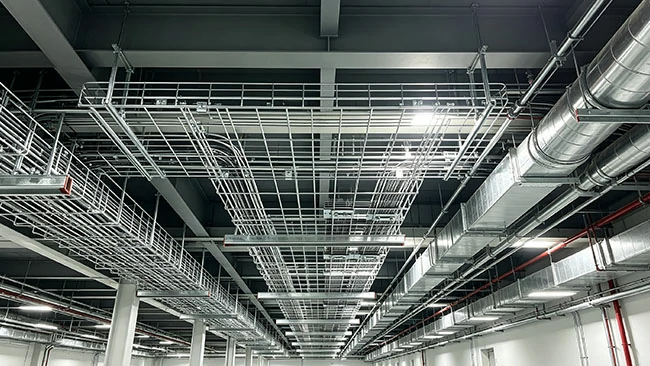
2. Hot-Dip Galvanized Cable Tray
Hot-dip galvanizing involves immersing fabricated steel products in molten zinc to form a metallurgically bonded zinc coating.
Key Advantages:
- Generally provides a thicker zinc coating.
- Offers good corrosion protection.
- Suitable for many demanding industrial and outdoor environments.
- Protects exposed steel surfaces when properly processed.
Typical Applications:
Industrial plants, outdoor cable installations, infrastructure projects, and facilities exposed to moisture and weather conditions.
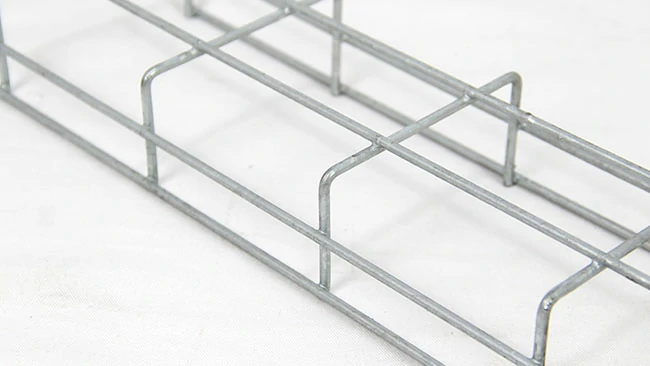
3. Cold-Galvanized Cable Tray
Cold galvanizing generally uses a zinc-rich coating applied to the steel surface rather than immersion in molten zinc.
Key Advantages:
- Convenient coating application.
- Suitable for selected indoor applications.
- Can be used for coating maintenance and localized protection.
- Offers a practical option for projects with specific coating requirements.

Typical Applications:
Selected indoor industrial installations, equipment areas, and environments with relatively low corrosion exposure.
Actual protection depends on zinc content, coating thickness, surface preparation, application quality, and maintenance.
4. Key Differences
| Comparison | Hot-Dip Galvanizing | Cold Galvanizing |
|---|---|---|
| Process | Immersion in Molten Zinc | Zinc-Rich Coating Application |
| Coating Structure | Metallurgically Bonded Zinc Coating | Zinc-Rich Protective Coating |
| Coating Thickness | Generally Thicker | Depends on Application |
| Corrosion Protection | Generally Higher | Depends on Coating Specification |
| Typical Application | Outdoor / Industrial | Selected Indoor Applications |
| Maintenance | Environment Dependent | May Require More Frequent Inspection |
Actual corrosion performance should be evaluated using coating specifications and relevant test data.
5. Which Galvanized Cable Tray Should You Choose?
Choose Hot-Dip Galvanized Cable Tray if your project involves:
- Outdoor cable installations.
- Humid or demanding industrial environments.
- Higher corrosion exposure.
- Long-term corrosion protection requirements.
Consider Cold-Galvanized Cable Tray if your project involves:
- Selected indoor installations.
- Relatively low corrosion exposure.
- Specific zinc-rich coating requirements.
- Coating repair or maintenance applications.
The final selection should consider the operating environment, coating thickness, expected service conditions, and project specifications.
6. Customized Cable Tray Manufacturing by bdcabletray
bdcabletray specializes in wire mesh cable tray manufacturing for industrial and commercial projects.
Our product customization options include:
- Cold-galvanized and hot-dip galvanized finishes.
- Carbon steel and stainless steel materials.
- Customized tray widths and heights.
- Different wire diameters and mesh specifications.
- Bends, tees, connectors, and mounting brackets.
- Project-based manufacturing and bulk supply.
7. Request a Cable Tray Quotation
Not sure which galvanizing process is suitable for your project?
Send us your required tray dimensions, installation environment, surface treatment requirements, estimated quantities, and project drawings.
Our team can help evaluate your requirements and recommend a suitable cable tray solution.
Contact bdcabletray Today for Customized Cable Tray Specifications and a Project-Based Quotation.