



Channel cable tray does not get the same attention as ladder tray or wire mesh, but it quietly solves some of the most awkward routing problems in building projects. It is narrow, light and easy to hide above ceilings or inside raised floors. This case looks at one office building renovation where channel tray turned a messy cable situation into a clean, expandable system.
Project Background
Site overview
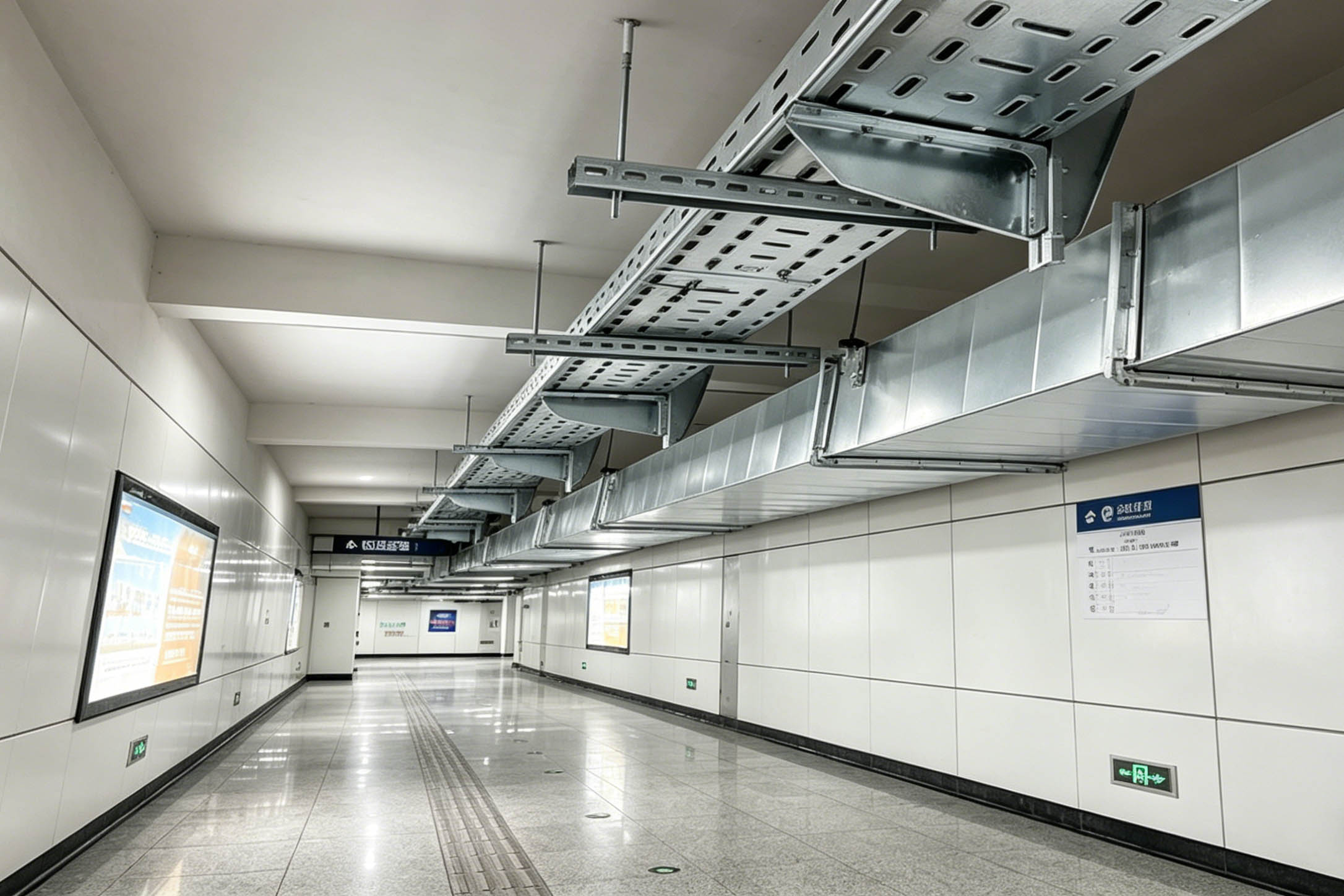
The building was a five-storey office block in the city center, built in the early 2000s. The owner was converting three floors into shared office space, which meant new power distribution, lighting, data and fire alarm cabling for dozens of small tenants. The existing cable routes were a mix of old conduit runs and tray left over from earlier fit-outs. None of it followed a clear plan.
Design challenge
The main challenge was ceiling space. The floors had low ceiling voids, only about 30 cm between the slab and the suspended ceiling. Ladder tray needed 50 mm more height for rungs and was heavy to mount in such a tight space. The project team also worried about the mess of crossing cables. They wanted every route organized so future tenants could add circuits without pulling up the whole ceiling.
BDCABLETRAY Channel Cable Tray Solution
Product specification
BDCABLETRAY supplied 100 mm wide and 150 mm wide channel tray in pre-galvanized steel for the dry indoor environment. The 100 mm sections carried lighting and fire alarm circuits; the 150 mm sections handled power and data feeders. Matching splice plates, wall brackets and ceiling hangers were included in the same order.
Installation approach
The installers fixed the channel tray flat against the ceiling slab with spring nuts and threaded rods, saving vertical space that ladder tray would have consumed. Runs followed the corridor line, with drop-downs at each tenant zone. At column positions, the tray was cut and joined with standard splice plates, so no special fittings were needed.
Cable separation
Power and data cables were kept on separate tray runs, roughly 30 cm apart horizontally, to limit interference between feeder circuits and network cabling. That simple rule saved the team from troubleshooting signal issues later.
Project Outcome
The renovation finished with about 900 meters of channel tray installed across the three floors. The installation took five working days with a four-person crew. Because the tray was mounted flat and tight to the slab, the ceiling void stayed clear for lighting and ducting. Twelve months later, the building manager added circuits for four new tenants on the same tray runs without touching the ceiling in most areas.
Key Lessons Learned
Match tray width to the cable group
Channel tray works best when the cable group is small and predictable. Splitting runs into 100 mm and 150 mm lines by circuit type made the system easier to manage than one oversized run.
Keep spare slots for later
Leaving two or three empty tray zones on each run made the first tenant change effortless. The building manager said the spare capacity paid for itself in one afternoon of work.
Order accessories with the tray
Wall brackets and hangers ordered together with the tray sections meant the crew never waited for parts. That detail, small as it sounds, kept the five-day schedule on track.
Contact BDCABLETRAY
Planning an office fit-out or building renovation? BDCABLETRAY supplies channel cable tray in widths from 75 mm to 300 mm, with brackets, hangers, covers and all installation accessories. Send us your ceiling layout and cable schedule, and we will recommend the right tray size and routing plan. Contact BDCABLETRAY for samples, drawings or a quotation.
FAQ
Q1: What is channel cable tray used for?
Channel tray is used for light and medium cable loads in tight spaces, such as office ceilings, small electrical rooms, risers and retrofit projects. It carries power, lighting, data and fire alarm cables in compact, organized runs.
Q2: What is the difference between channel tray and ladder tray?
Channel tray is a narrow U-shaped profile with a solid or slotted base, used for light loads and tight spaces. Ladder tray is wider with open rungs, designed for heavy power cables and long spans. Channel tray costs less but carries far less load.
Q3: Can channel cable tray carry power cables?
Yes, within its load limits. Channel tray is fine for lighting circuits, small feeders and control cables. Heavy power cables or long runs with many cables are better served by ladder tray or perforated trough tray.
Q4: Is pre-galvanized channel tray suitable for office buildings?
For dry indoor environments like office ceilings and risers, pre-galvanized channel tray works well and keeps the budget low. For humid, outdoor or chemical environments, hot dip galvanized or stainless steel is the safer choice.
Q5: Can channel cable tray be cut and adjusted on site?
Yes. Channel tray is easy to cut with standard tools, and sections are joined with splice plates. Bends, tees and drops can be built from standard parts, which keeps on-site adjustments quick and avoids long waits for custom fittings.