



The short answer is yes. Cable tray can be installed outdoors right next to the sea, but only when the material and finish match the environment. Salt-laden air, humidity and wind-driven spray attack steel much faster than most buyers expect. Choose the wrong product and you will be replacing supports within a couple of years. Choose correctly and the same system can serve for decades. This guide walks through what works on the coast, what fails, and how to get it right.
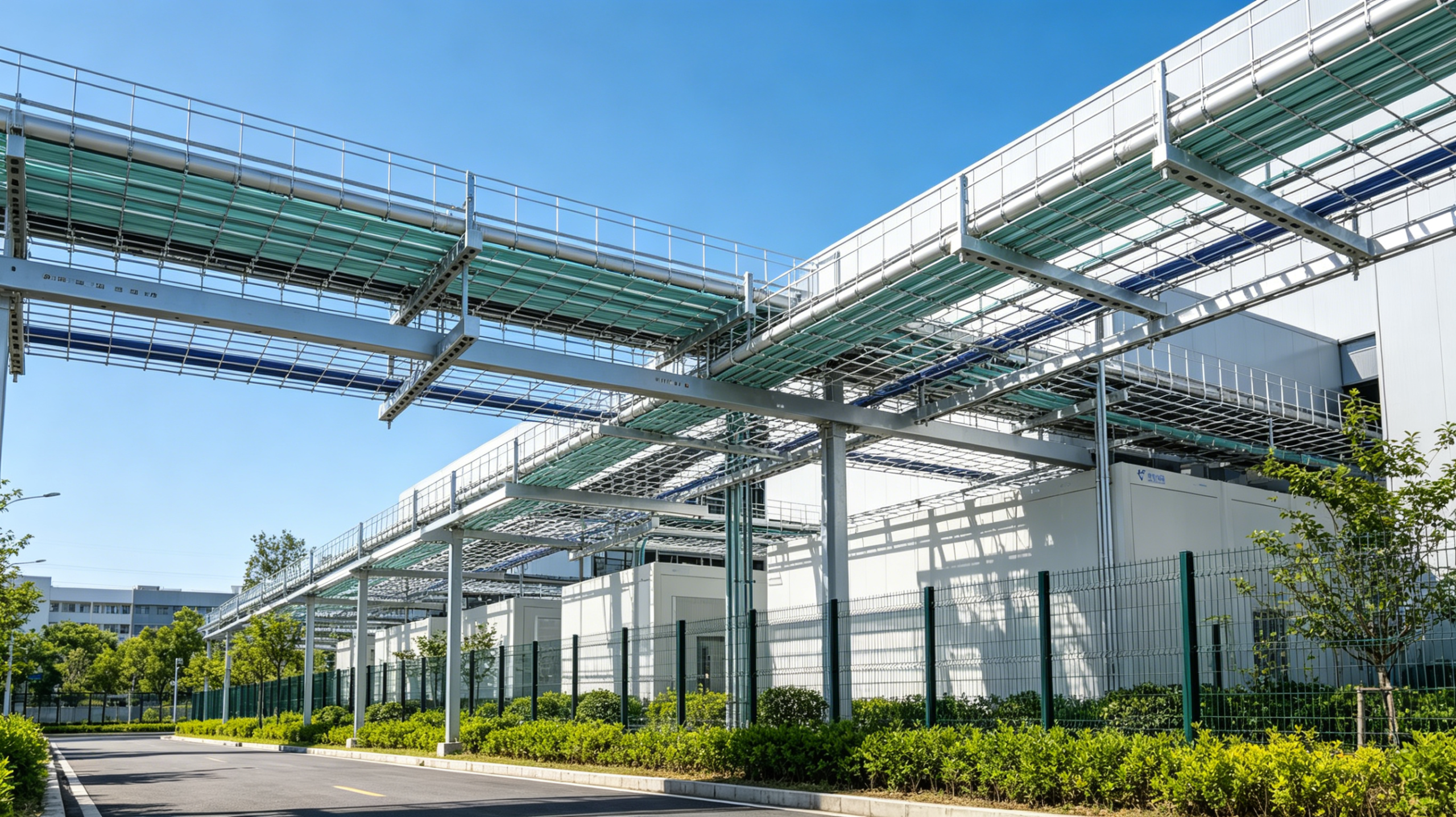
Yes — Outdoor Use on the Coast Is Normal, With the Right Choice
What salt air does to metal
Coastal air carries microscopic salt particles. They settle on tray surfaces, mix with dew or rain, and create a constant mild electrolyte layer. Galvanized steel slowly loses its zinc coating, plain steel rusts, and even some coated finishes start pitting at scratches.
Why the material decision matters more than the price
The cheapest tray on the coast usually turns into the most expensive one. If corrosion forces a replacement after three or four years, the labor and downtime cost far exceeds the initial saving. Buyers who understand this tend to spend a bit more upfront and save a lot later.
What standards say about coastal environments
International standards classify corrosion zones — for example ISO 9223 — and most EPC specifications reference them. C4 and C5 zones, typical for coastal sites, push engineers toward stainless steel or FRP instead of standard galvanized steel.
Cable Tray Materials That Survive the Coast
Hot-dip galvanized steel (HDG)
HDG is the workhorse for many outdoor projects. A thick zinc layer protects the base steel reasonably well in mild coastal areas. In heavy salt spray zones, HDG needs a higher coating weight and regular inspection. Cut ends and drilled holes are the weak points.
Stainless steel 304 and 316L
SS316L is the classic coastal choice. Its molybdenum content resists chloride attack far better than SS304. For offshore platforms, seawalls and chemical plants beside the sea, 316L is the safe default. SS304 can work in sheltered inland-coastal zones but pits faster where salt accumulates.
FRP / GRP cable tray
Fiberglass reinforced plastic does not rust at all. It handles salt spray, UV and many chemical fumes, making it popular on coastal industrial sites. It is lighter than steel and easy to cut on site, though it needs proper UV-stabilized resin and a check on load capacity.
Aluminum alloy
Aluminum forms a natural oxide layer and resists corrosion reasonably well in coastal air. It is light and easy to install. The catch is galvanic corrosion where aluminum touches steel or copper fittings, so isolation is required at connections.
Installation Details That Decide Coastal Performance
Specify the right coating weight
For galvanized trays near the sea, ask for a heavier zinc coating than indoor products. A standard indoor coating will disappear quickly in salt spray.
Protect every cut end and drilled hole
On-site cutting exposes bare steel. Treat each cut edge with zinc-rich paint or an approved touch-up system before installation. This is the most common hidden failure point.
Watch support spacing and wind load
Outdoor runs face wind and vibration. Keep support spacing within the manufacturer’s load table and use proper hangers designed for outdoor service.
Plan drainage and covers
Water pooling inside a tray accelerates corrosion at cable contact points. Slope long runs, use drain holes at low points, and fit covers only where debris is a real risk.
Keeping Coastal Cable Trays Alive Longer
Wash salt off regularly
A simple freshwater rinse removes salt deposits before they do damage. Sites with heavy sea spray benefit from a scheduled washdown program.
Repair coating damage fast
Small scratches and chips are normal after installation. Touching them up within weeks beats letting rust start under the coating.
Inspect on a fixed calendar
Check tray sections, joints, hangers and grounding continuity every six to twelve months. Early corrosion signs are cheap to fix; late ones are not.
Contact BDCABLETRAY
Planning a cable tray system for a coastal project? BDCABLETRAY supplies hot-dip galvanized, stainless steel and FRP cable trays with full accessory ranges for outdoor and marine environments. Send us your site conditions, cable load and span details, and our engineers will recommend the right material, coating and support layout. Contact BDCABLETRAY for a quotation or technical discussion.
FAQ
Q1: Can galvanized cable tray be used outdoors near the sea?
Yes, in many coastal areas, if you choose a hot-dip galvanized tray with a heavier zinc coating and protect cut ends and drilled holes. In heavy salt spray zones, stainless steel 316L or FRP is usually the safer choice.
Q2: Is stainless steel always required for coastal cable tray?
Not always. Mild coastal locations with low salt exposure can work with properly coated galvanized steel. For direct sea spray, C5 zones or offshore sites, stainless steel 316L or FRP becomes the reliable option.
Q3: Does FRP cable tray work outdoors in coastal sunlight?
Yes. FRP trays with UV-stabilized resin handle outdoor salt and sun well, and they never rust. They are lighter than steel and need no painting, but load capacity and support spacing should be checked against the manufacturer’s data.
Q4: How long does cable tray last in a coastal environment?
With the right material and maintenance, stainless steel and FRP systems commonly serve 20 years or more. Hot-dip galvanized trays in moderate coastal areas can also last a long time, provided coating damage is repaired and salt is washed off regularly.
Q5: Can BDCABLETRAY help select the right cable tray for a coastal project?
Yes. BDCABLETRAY’s engineers review your site environment, corrosion class, cable load and support spans, then recommend the correct material, coating and accessories. Contact us with your project details for technical support and a quotation.