



Fire-rated commercial and industrial buildings have some of the strictest electrical installation standards in the construction industry. Unlike conventional ordinary buildings, these structures require every electrical component, including cable trays, to support fire resistance, smoke control, and structural stability during a fire emergency. Many onsite construction and design errors happen because engineers apply standard cable tray layouts to fire-rated buildings, ignoring unique fireproof specifications and structural requirements.
Improper cable tray design in fire-rated buildings can lead to compromised fire barrier integrity, accelerated flame spread, failed safety inspections, and even severe property and safety risks during fire incidents. With years of experience supplying and designing cable tray systems for fire-resistant building projects, BDCABLETRAY breaks down the core design considerations, material selection rules, layout standards and compliance tips for cable trays in fire-rated buildings, helping teams complete fully compliant, safe and reliable electrical system design.
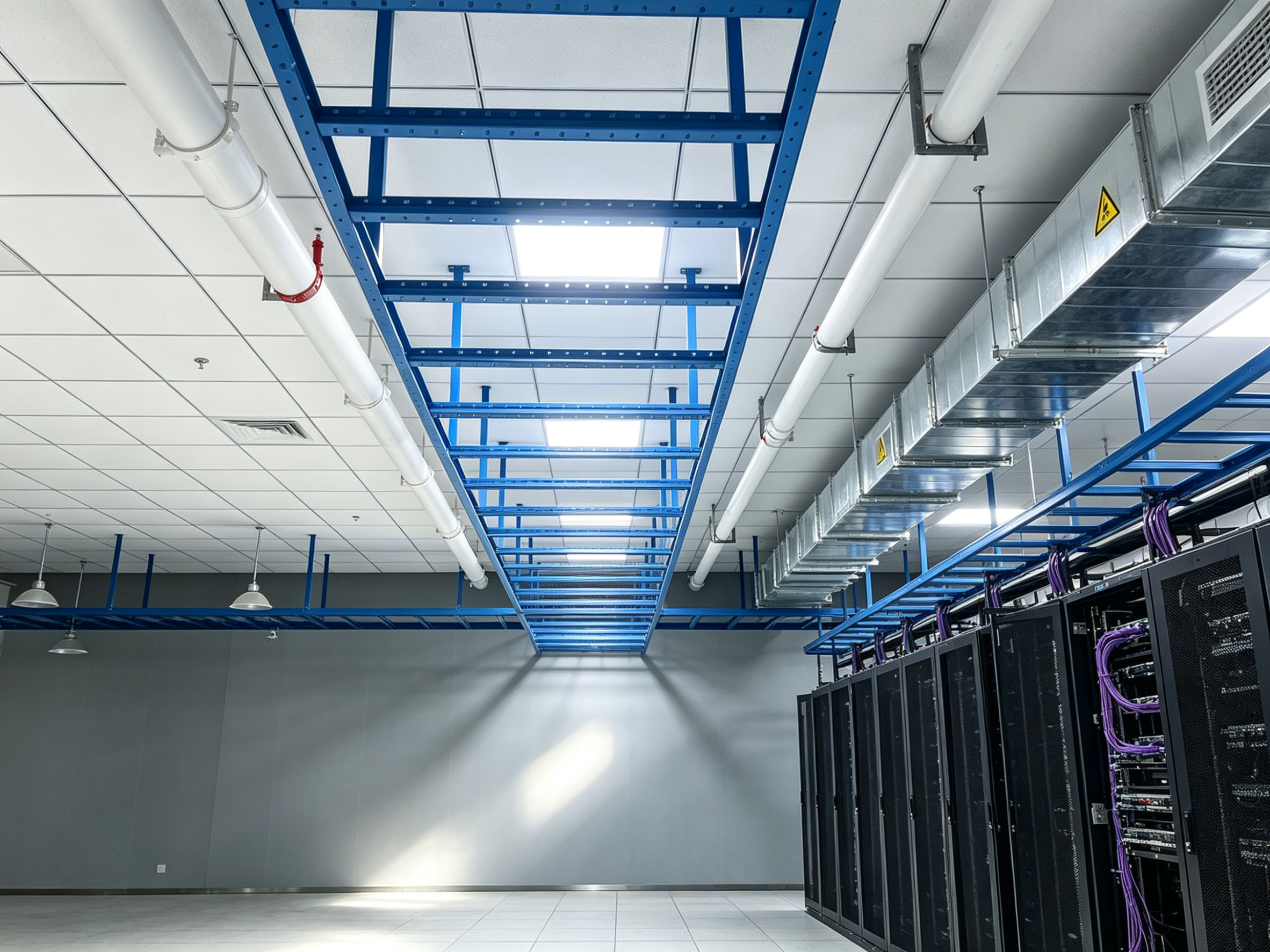
Understand Fire-Rated Building Code Requirements for Cable Trays
Fire-rated buildings are designed with compartmentalization principles to limit fire and smoke spread within fixed zones. Cable trays, as continuous laying components running through multiple building compartments, are key weak points for fire isolation. All design work must first comply with local international electrical codes and building fire protection standards to avoid compliance risks.
Fire compartment penetration regulations
When cable trays pass through fire walls, floor slabs and fire compartment boundaries, they cannot be directly installed through reserved holes. Standard fire blocking and sealing measures must be adopted to fill gaps between trays and building structures. Unsealed penetration gaps will form fire and smoke spreading channels, completely destroying the fire compartment effect of the building, which is the most common unqualified item in fire safety inspections.
Duration of fire resistance rating matching
Different building areas have different fire resistance time requirements, usually ranging from 30 minutes to 2 hours. The fire resistance grade of cable trays, supporting accessories and sealing materials must match the fire rating of the building compartment. Low-grade fireproof trays used in high-standard fire-rated areas will fail to maintain structural stability within the specified fire resistance time, causing tray collapse and cable combustion spread.
Smoke containment and heat insulation standards
Fire-rated building design not only resists open flame combustion, but also controls high-temperature smoke diffusion. Qualified cable tray systems need to have good heat insulation performance, avoiding high-temperature heat conduction through the tray structure to ignite cables in adjacent fire compartments, and blocking secondary fire hazards caused by heat radiation and smoke penetration.
Fire-Rated Cable Tray Material Selection Criteria
Ordinary galvanized or sprayed cable trays cannot adapt to fire-rated building scenarios. Material performance directly determines the fire resistance, high-temperature resistance and structural stability of the tray system in fire environments. Selecting targeted fireproof materials is the core premise of qualified design.
Fire-resistant coated steel cable trays
This is the most widely used type in fire-rated buildings. The tray base adopts high-quality cold-rolled steel or hot-dip galvanized steel, with thickened inorganic fireproof coating sprayed on the surface. After high-temperature curing treatment, the coating can form a dense fireproof protective layer in case of fire. It effectively isolates flame and high temperature, prevents the steel body from softening and deforming, and maintains the overall integrity of the tray and cables for a long time. It is suitable for most office buildings, commercial buildings and factory fire-rated zones.
Stainless steel fire-rated cable trays
304 and 316 stainless steel cable trays have excellent high-temperature resistance and oxidation resistance. They will not deform or rust rapidly under long-term high-temperature fire conditions, with stable structural performance. Matching professional fireproof sealing accessories, they are suitable for high-standard fire-rated buildings such as data centers, medical buildings and high-rise public buildings with strict fire protection requirements.
Non-combustible composite cable trays
Made of high-strength non-combustible inorganic composite materials, this type of tray features zero combustion, low smoke and non-toxic performance. It has no heat conduction effect, will not support flame spread, and meets the highest environmental protection and fire safety standards. It is mostly used for special fire-rated areas such as underground pipe corridors and precision equipment buildings.
Scientific Layout Design for Fire-Rated Building Cable Trays
Even with qualified fireproof materials, unreasonable layout design will still cause fire safety hazards. Fire-rated building cable tray layout needs to abandon conventional casual laying methods and follow strict fire protection layout logic.
Zoned independent laying principle
Divide cable trays into independent laying areas according to building fire compartments. Try to reduce the number of cross-compartment penetrations. For power cables and signal cables, adopt separate tray laying to avoid simultaneous combustion and signal failure caused by single-point fire hazards, realizing hierarchical fire protection of electrical systems.
Reasonable support and hanger spacing design
In high-temperature fire environments, cable weight and structural thermal expansion will increase the load on supports. Fire-rated tray systems need to reduce the spacing of hangers and supports properly compared with ordinary trays, enhance overall structural stability, and prevent tray falling and cable scattering caused by high-temperature structural softening.
Avoid concentrated high-risk area laying
Do not arrange large-span cable tray clusters near flammable pipeline channels, ventilation openings and fire risk concentration points. Reserve sufficient fire isolation gaps and heat dissipation spaces to prevent regional temperature overheating and flame clustering spread in case of fire.
Key Fire Blocking & Sealing Construction Details
Fire blocking treatment at tray penetration points is the most critical link in fire-rated building construction, and also the easiest part to have construction defects. Standardized sealing construction can ensure the integrity of building fire compartments.
Penetration hole graded sealing
After the cable tray passes through the fire wall and floor slab, fill the gap with fireproof plugging mud, fire-resistant expansion plate and fireproof sealant in layers. The overall sealing structure needs to have the same fire resistance rating as the building component, avoiding tiny gaps that cause smoke leakage and flame penetration.
Expansion gap fire protection treatment
Considering the thermal expansion and contraction of steel trays in fire environment, reserved expansion gaps must be equipped with flexible fireproof connecting parts. It can adapt to structural deformation while ensuring fire sealing performance, preventing sealing layer cracking and failure caused by tray deformation.
Long-distance tray fire partition setting
For ultra-long horizontal cable tray laying in large fire-rated buildings, set intermediate fire isolation partitions at fixed distances. Once a local fire occurs, the isolation structure can block the continuous spread of flame along the cable and tray surface, limiting the fire hazard to the smallest range.
Common Design Mistakes to Avoid
Most fire protection inspection failures of cable tray systems in fire-rated buildings come from habitual design mistakes. Avoiding these problems can effectively improve project compliance rate.
Using ordinary trays with post-painted fireproof coatings
Many construction teams use ordinary galvanized trays and manually spray fireproof paint on site. The on-site spraying process is uneven, with poor adhesion and easy peeling off in high temperature. It cannot form stable fire protection performance and fails to meet fire-rated building acceptance standards.
Ignoring matching of supporting accessories
Only paying attention to tray fire resistance but ignoring the fire performance of hangers, bolts and connecting accessories. Ordinary iron accessories will soften and deform at high temperature, causing the whole fireproof tray system to collapse and lose protection effect.
Overlooking later maintenance and renovation influence
Reserve no inspection gaps and renovation spaces during early design. Later cable addition and tray modification will destroy the original fire sealing structure, resulting in secondary fire hazards and repeated rectification.
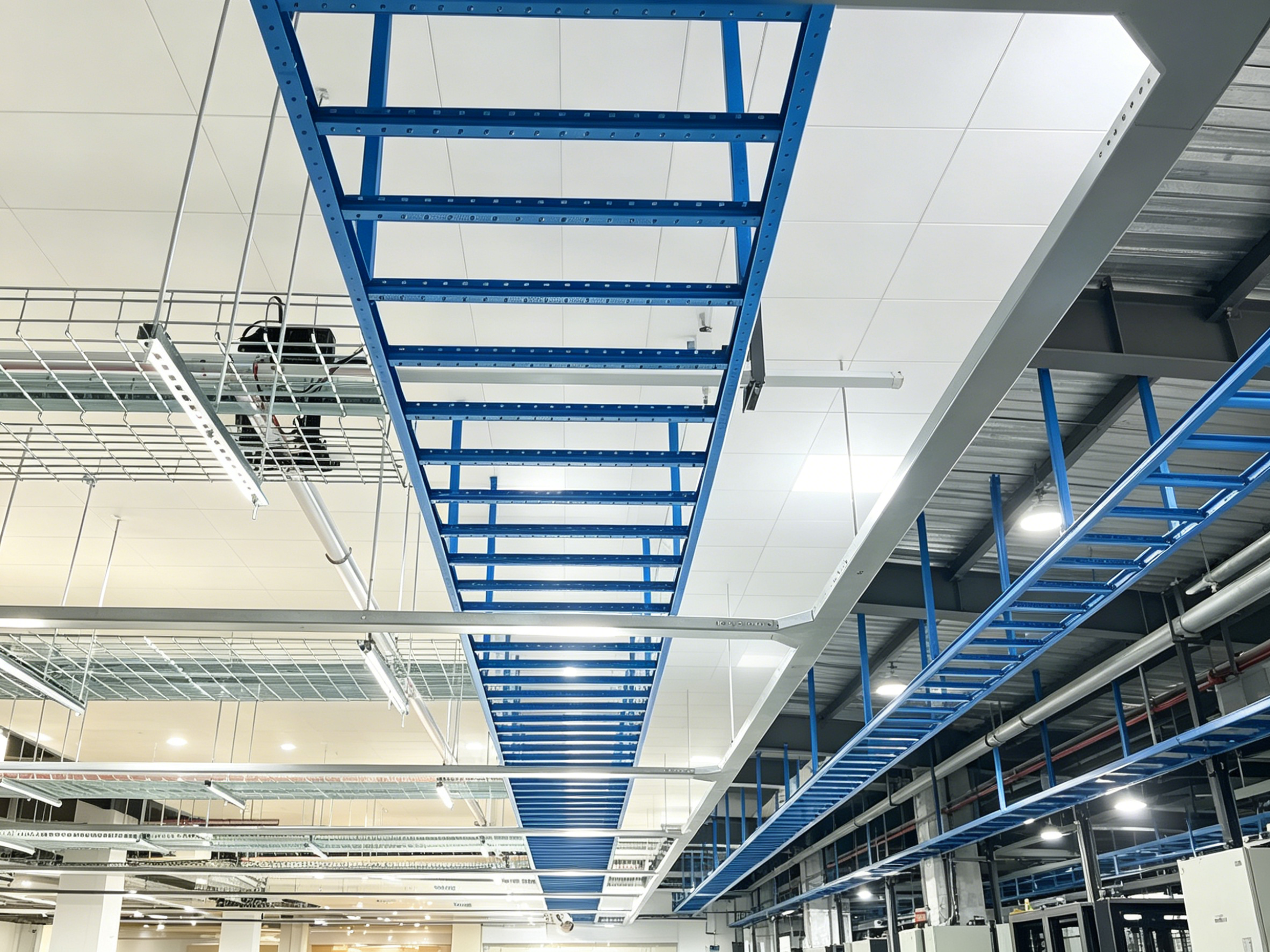
Professional BDCABLETRAY Fire-Rated Cable Tray Solution
BDCABLETRAY provides full-set customized cable tray systems for fire-rated buildings, covering fireproof material selection, scheme layout optimization, penetration sealing design and accessory matching. All our fire-rated cable trays pass professional fire resistance testing, with stable high-temperature resistance, flame retardant and smoke suppression performance, fully compliant with international building fire protection codes.
We support personalized design according to different building fire resistance grades, compartment layouts and electrical laying demands, helping customers solve various design and construction pain points of cable trays in fire-rated buildings, ensuring one-time pass of fire safety inspection.
If you need professional fire-rated cable tray design, material selection and scheme consultation for fire-resistant building projects, contact BDCABLETRAY. Our technical team will provide free scheme optimization and compliant product matching services to guarantee safe and standard project construction.
FAQ
1. Can ordinary cable trays be used in fire-rated buildings?
No. Ordinary galvanized or powder-coated cable trays have no professional fireproof structure and flame retardant performance. They will soften, deform and burn rapidly in high-temperature fire environments, unable to maintain cable system stability. Only specially certified fire-rated cable trays are allowed for fire-resistant building electrical laying projects.
2. What is the core function of fire-rated cable trays in buildings?
Fire-rated cable trays can maintain structural integrity and stability within the specified fire resistance time. They isolate flame and high temperature, prevent cable combustion and fire spread, ensure the normal power supply of fire-fighting electrical equipment, and protect building fire compartment integrity to gain more rescue time for fire emergencies.
3. Do all cable tray penetration points need fire blocking treatment?
Yes. All cable trays that pass through fire walls, floor slabs, fire compartment boundaries and fire isolation zones must undergo standardized fire blocking and sealing treatment. Unsealed gaps will destroy the building’s fire compartment effect, cause smoke and flame cross spread, and directly lead to fire inspection failure.
4. How to choose the right fire resistance rating for cable trays?
The tray fire resistance rating must be consistent with the local fire protection design standard of the building. Match 30min–60min fire resistance trays for ordinary commercial fire-rated areas, and 90min–120min high-grade fireproof trays for high-rise buildings, data centers and medical fire-resistant key areas to meet code requirements.
5. Does BDCABLETRAY provide customized fire-rated cable tray solutions?
Absolutely. BDCABLETRAY supports full customized fire-rated cable tray services, including different fire resistance grades, material types, sizes and sealing supporting schemes. We can formulate targeted compliant design solutions according to your project’s building fire rating and on-site layout characteristics.