



Cable tray is a bulk, dimension-heavy industrial product, and even a small misunderstanding on material, thickness or shipping terms can turn into a costly import mistake. Many first-time buyers get a low unit price, only to find out later that the tray walls are thinner than quoted, the finish peels after a few months at the job site, or the container arrives with accessories missing and no way to install it.
This guide walks international buyers through the real decision points before sending an RFQ or making a deposit. It is written from what we have seen on thousands of orders at BDCABLETRAY, not from a marketing brochure. If you are sourcing ladder tray, cable trunking, wire mesh tray or solid bottom tray from China, the points below will save you time, budget and follow-up headaches.
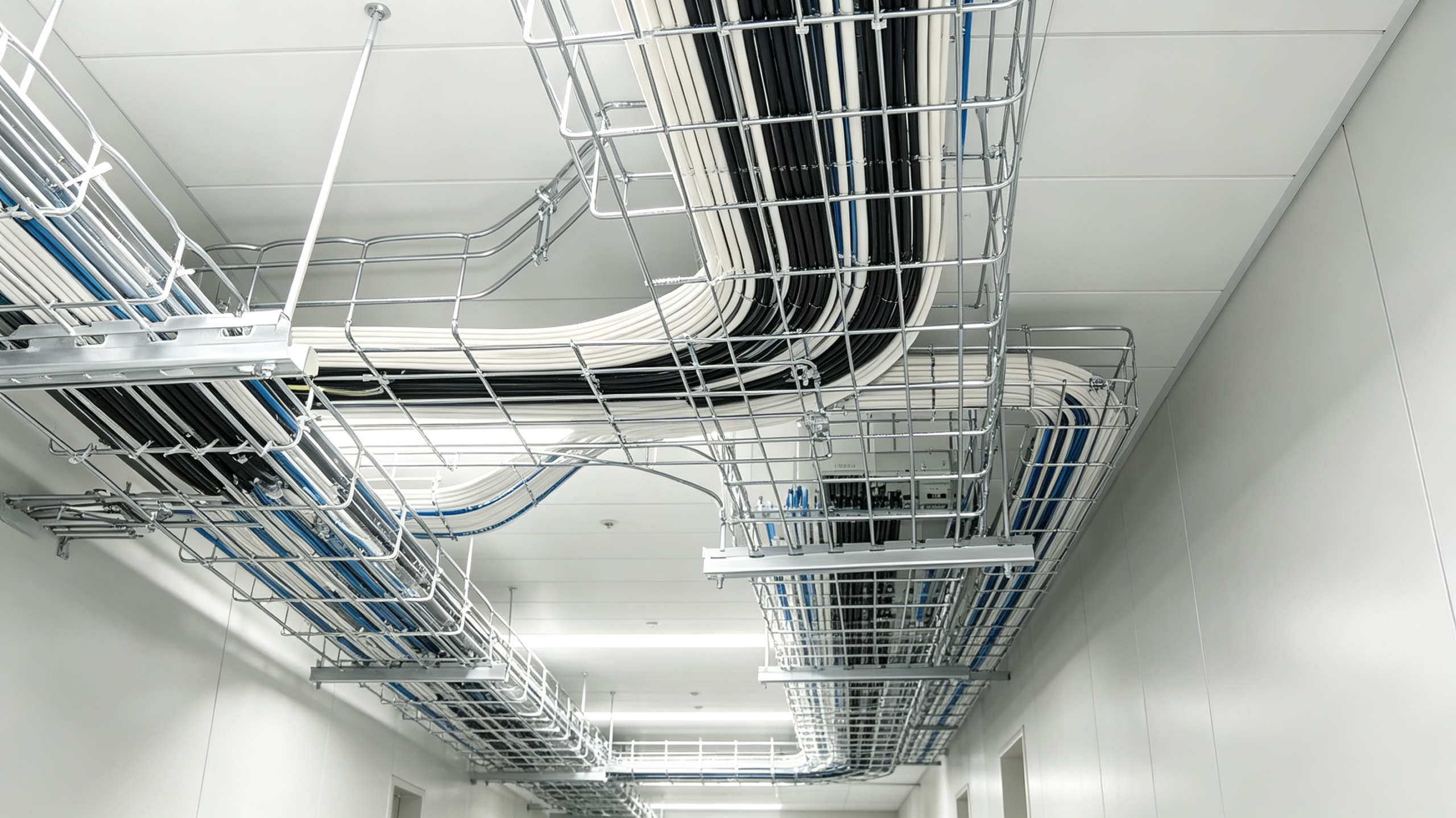
Key Specifications to Lock Down Before You Ask for a Quote
The biggest pricing mistakes happen when buyers describe a tray project in loose terms. A supplier who wants the order will quote the cheapest interpretation of your words. Protect yourself by writing down the hard parameters before the first email goes out.
Tray type, width and loading requirement
Ladder tray, ventilated trough, solid bottom, wire mesh and FRP tray all carry cables differently. For power distribution runs, ladder tray usually wins on cost and heat dissipation; for instrument and data cables, solid bottom or wire mesh is more common. Note the maximum cable weight per meter, the required span between supports and whether local codes (such as NEMA VE 1 or IEC 61537) apply to the project. Supplying this up front prevents the factory from recommending a cheaper section that will sag under load.
Raw material and actual sheet thickness
Galvanized steel, stainless steel 304/316 and aluminum each carry a very different price. Within galvanized, there is also a gap between pre-galvanized sheet and hot-dip galvanizing after fabrication. Always ask for the actual base metal thickness in millimeters, not the product name. A 1.5 mm tray and a claimed 1.5 mm tray can differ by 0.3–0.5 mm once the galvanized coating is measured, and that gap shows up as deflection in long spans.
Surface finish, color and certification needs
Indoor dry projects can use pre-galvanized or powder-coated finish. Outdoor, coastal or wash-down environments usually require hot-dip galvanizing or stainless steel. If the end user needs CE, UL, SGS or ISO test reports, request them at the RFQ stage rather than after production starts. Certifications take time to pull and sometimes cannot be issued retroactively for a finished batch.
Realistic Landed Cost: More Than the Unit Price
When buyers compare two quotes, they usually compare the USD per meter number. The landed cost picture is wider, and the cheaper quote is not always the cheaper delivered project.
Accessories that quietly add up
A tray price without couplers, covers, connectors, brackets, hangers, end caps, reducers and elbows is not a usable price. On many jobs, accessories reach 15–25% of the tray value. Ask the supplier to quote a complete BOM (bill of materials) for the run, not just straight sections. Otherwise you will end up buying elbows locally at several times the factory price.
Payment terms and currency risk
Most Chinese cable tray suppliers work on a 30% deposit and 70% against copy of B/L. For new buyers, an L/C at sight is common; for repeat partners, longer credit terms are sometimes possible. Lock the exchange date and confirm whether the quote is in USD, EUR or RMB. Currency swings during a 30–45 day production cycle can erase a negotiated discount.
Shipping terms: FOB, CIF or DDP
FOB means you control the freight and can compare forwarders, but you take over the risk at the Chinese port. CIF simplifies booking but gives less control over carrier choice. DDP is the most hands-off — the factory handles origin docs, ocean freight and destination duties — but it requires the supplier to know your local import rules well enough not to misclassify the HS code. For your first order, DDP may look expensive on paper but is often the lowest-risk route.
Quality Check Before the Container Sails
Repairs on a cable tray that has already crossed the ocean are expensive. A small pre-shipment inspection catches the problems while the goods are still at the factory.
Use a third-party inspection agency
For orders above a container load, companies like SGS, BV or Intertek can run a pre-shipment inspection: measure dimensions, check coating thickness, count pieces, pull random welds and confirm marking. The cost is a few hundred dollars, which is tiny compared with a container of bent or mislabeled tray. Ask the supplier for the packed photos and the container loading plan at least two days before closing the container door.
Approve a sample before mass production
For custom color, custom hole pattern or non-standard sizes, always approve a physical sample first. Take photos of the sample with your ruler and thickness gauge, and reference those photos in the production order. This gives you an objective comparison point when the bulk production arrives.
HS Code, Customs and Documentation
Cable tray usually falls under heading 7326 (articles of iron or steel) or 8544/8536 depending on the market, but the exact 6-digit and 10-digit code varies by country. Misclassification is one of the fastest ways to get a customs hold.
Get the packing list and commercial invoice right
The invoice must match the B/L, the packing list and any certificate of origin. Volume, weight, number of packages and HS code should be identical across all documents. If the tray is powder coated, declare the finish correctly; if it is stainless, state the grade. Small discrepancies add up to delays at the destination port and extra storage fees.
Plan the container loading
Cable tray is long and hollow, so loading density matters. Straight sections stack efficiently; accessories and covers need careful separation to avoid scratching. A factory that has exported for years will pack the 20ft or 40HQ container to its practical maximum while keeping the total weight under the road limit at destination. Ask for the loading photo and total CBM before the vessel sails.
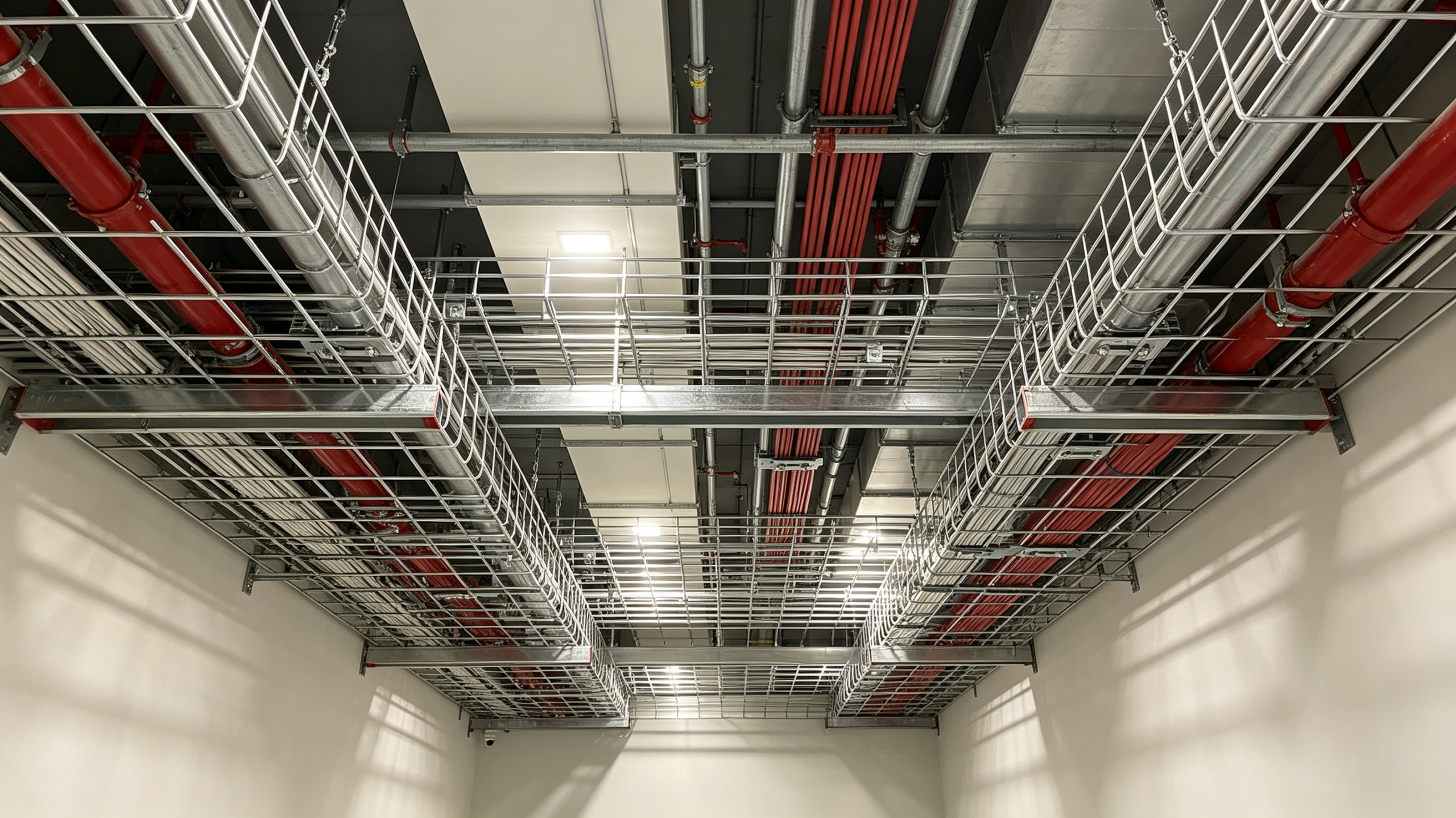
Why Buyers Work With BDCABLETRAY on Import Orders
BDCABLETRAY has supplied cable tray systems to distributors, contractors and EPC project buyers in over 60 countries. We do not just quote trays — we help buyers build the full BOM, confirm the right finish for their climate, arrange pre-shipment inspection and prepare export documents that clear customs without surprises.
Every order includes production photos, a packing list that matches the shipment, and a contact engineer who stays on the line during installation. For repeat customers, we keep a record of approved samples so the next container matches the first one without re-approval.
If you are planning a cable tray import order and want a quote that includes accessories, shipping terms and realistic lead time, contact BDCABLETRAY. Send us your tray drawings, load requirements and destination port — we will reply with a detailed breakdown within one working day.
FAQ
1. What is the typical minimum order quantity for cable tray imports from China?
Standard cable tray MOQ is usually around 500–1000 meters per size, but most factories accept a mixed-size trial order by the container. Custom finishes or non-standard widths may require a higher minimum. New buyers often start with one 20ft container to test quality before moving to regular volume.
2. How long does production and shipping take for a cable tray order?
Standard tray production takes 15–25 working days after deposit and drawing confirmation. Ocean shipping adds roughly 7–14 days to Southeast Asia, 25–35 days to Europe and the US West Coast, and 30–40 days to the US East Coast via Suez or around Cape of Good Hope. Add a few days for customs clearance and final delivery.
3. Which Incoterm should a first-time importer choose?
If you have your own forwarder and experience with Chinese export docs, FOB is fine. If you want the supplier to handle freight and destination clearance, ask for DDP. CIF sits in the middle. Avoid DAP or DDU unless you already know how to clear customs in your own country.
4. Do cable tray suppliers provide test reports and installation drawings?
Reputable manufacturers provide load test reports, coating thickness certificates and general assembly drawings. For project bidding, ask for the specific certificates your client requires (CE, UL, SGS, ISO) at the RFQ stage. Installation detail drawings are usually supplied free of charge for orders above a certain value.
5. What should I do if the trays arrive with damaged surface coating?
Photograph the damage immediately, keep the outer packaging and contact the supplier within the inspection window. Most factories will send replacement parts in the next shipment or issue a credit. This is why pre-shipment inspection and clear photos before container closing are so valuable — they make the claim process straightforward.