



Importing cable tray sounds straightforward on paper: send an RFQ, compare three prices, pay a deposit, wait for the container. In practice, the buyers who run into the most trouble are the ones who treated it that way. Cable tray is heavy, long, spec-sensitive industrial hardware — a misunderstanding on sheet thickness, a missing accessory line, or a wrong HS code can quietly add 15–25% to the project cost and delay the site schedule by weeks.
This guide is written the way the order actually happens, from the first message to the factory all the way to unloading at your warehouse. It reflects what we have seen on hundreds of export orders at BDCABLETRAY, not a generic trade-deal blog post. Read it once before you send your next RFQ and you will skip most of the avoidable mistakes.
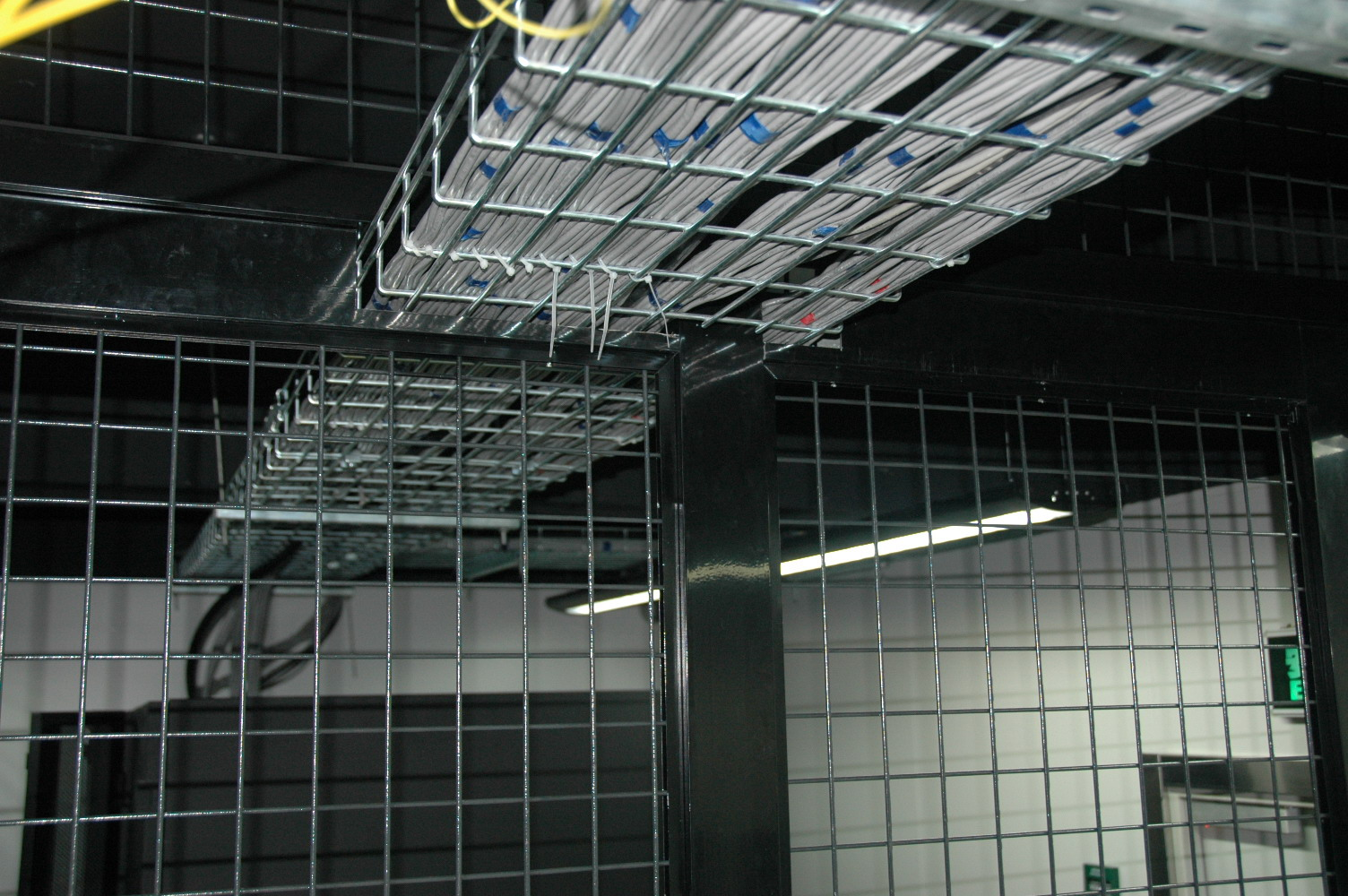
Before You Contact Suppliers: Get Your Own Spec Sheet Ready
The most common first mistake is sending a one-line email: “send me your best price on cable tray.” The reply you get back will be the cheapest tray the factory can think of, and it will not match what your electrician actually needs. Spend an hour writing down the basics first.
List every circuit type that will ride on the tray
Power cables, control cables, data cables and fiber all have different bend radius, heat and fill requirements. Mixing them on the same tray changes the tray depth, cover needs and divider requirements. Give the supplier a short cable schedule: type, diameter, count, voltage. A good supplier will come back with a recommended tray width and a fill calculation, not just a price per meter.
Note the environment the tray will live in
Indoor dry office space, outdoor sun, coastal salt air, wash-down food plant, or a pharma cleanroom — each points to a different material and finish. The cheapest tray for a dry indoor room is a disaster in a coastal refinery. Write the environment on your RFQ, even if it feels obvious. It is the single biggest spec that changes the material grade.
Decide your accessories before the quote
Covers, couplings, splice plates, reducers, tees, elbows, wall entries, hangers and supports are not optional extras — they are what make the tray actually installable. Ask each supplier to quote a full BOM for your run, not just straight sections. If one quote is dramatically cheaper, it is usually because the BOM is shorter.
During the Sample Stage: Do Not Skip the Physical Check
Many first-time buyers skip samples because they feel like a delay. That is false economy. A 300 USD sample that arrives in two weeks prevents a 30,000 USD container of wrong material.
Measure what you receive, do not just look at it
Take a caliper to the sheet thickness, a coating gauge to the zinc layer, and a ruler to the mesh opening. Compare against the spec on your PO. Write the numbers down and send them back to the sales engineer. If the sample is 1.5 mm but you ordered 2.0 mm, you have just saved yourself the entire container load of short material.
Approve the sample in writing before production
Once you are happy with the sample, send a short email: “sample approved for production order #XXX, please match this thickness and finish.” Keep that email. If the bulk order arrives and does not match the sample, you have a documented reference point for a claim — vague “good quality” expectations will not hold up.
During Production: Stay in the Loop Without Micro-Managing
Once the deposit is paid, most buyers disappear until the supplier says “ready to ship.” That is the other end of the mistake. You do not need to call every day, but two short check-ins go a long way.
Ask for production photos at the mid-point
About halfway through the lead time, ask for three or four photos of the trays on the production line. You should be able to see the right width, the right finish color, and the right packing style. If anything looks off, this is the cheapest moment to fix it — before the whole run is finished.
Confirm the packing list before the container closes
A few days before the ship date, ask for the packed photos and the final packing list. Count the boxes, check the total CBM, and confirm the accessory boxes are on the container. Once the truck leaves the factory gate, correcting a missing pallet is a multi-week, multi-thousand-dollar exercise.
Before Shipment: The Pre-Shipment Inspection That Pays for Itself
For orders above a container load, hire a third-party inspector (SGS, BV, Intertek, or a local agent your forwarder trusts) to visit the factory before the container is sealed. The cost is usually 200–400 USD.
What the inspector should check
Dimensions on random samples, coating thickness, weld quality, finish consistency, quantity count against the packing list, and packing condition for ocean transit. The inspector writes a short report with photos. If the report shows a problem, you can hold the balance payment until it is fixed — that leverage disappears once the B/L is released.
Documents to collect before the vessel sails
Commercial invoice, packing list, bill of lading, certificate of origin, material mill test certificate, and any test report your customer or auditor requires. Check that every document matches: same shipper, same consignee, same HS code, same weight, same number of packages. Mismatched docs are the #1 cause of customs holds at destination.
At Destination: Plan the Unloading Before the Vessel Arrives
Cable tray sections are 2–3 meters long. A 20GP container is not easy to unload by hand. Do not wait until the truck shows up at your yard to figure out how the trays come off.
Book the right lifting gear
A forklift with side shift, or a small crane, is the minimum. If you are unloading to a small warehouse without yard equipment, book a lorry crane for the delivery day. Otherwise the driver will wait around while you improvise, and detention charges start adding up fast.
Inspect before you sign the delivery note
Open the container on the day of delivery. Spot-check a few bundles for transit damage, count the bundles against the packing list, and note any visible damage on the delivery receipt before you sign a clean acceptance. Once you sign “received in good order,” the carrier’s liability is basically over.

Why International Buyers Keep Coming Back to BDCABLETRAY
BDCABLETRAY has shipped cable tray to distributors, contractors and EPC buyers in over 60 countries. We do not wait for the buyer to ask for production photos — we send them. We do not hide accessories on a separate page — we price them into the BOM up front. And we prepare export documents that match each other the first time, because we know what customs in your country actually wants to see.
For repeat customers we keep your approved sample on file, so the next container matches the first one without re-approval. We also help with the small things buyers usually forget: recommending the right Incoterm for your first import, suggesting a local forwarder we have worked with, and flagging the HS code that fits your product.
If you are planning a cable tray import order and want a supplier that walks you through the whole process instead of just sending a price list, contact BDCABLETRAY. Send us your cable schedule, destination port and target delivery date — we will reply within one working day with a BOM, a sample plan and a realistic lead time.
FAQ
1. What is the minimum order quantity for a first cable tray import?
Most factories accept a trial order of one 20GP container (roughly 800–1500 meters of standard tray, depending on size). Smaller trial orders are sometimes possible for common sizes, but the per-unit price is higher. For your first import, one container is the sweet spot: enough to test quality without overcommitting cash flow.
2. How long does the whole import cycle take from RFQ to delivery?
RFQ to sample approval: 1–2 weeks. Deposit to production completion: 15–25 working days. Ocean freight: 7–14 days to Southeast Asia, 25–35 days to Europe and US West Coast, 30–40 days to US East Coast. Add 3–7 days for customs clearance and final delivery. Budget 8–12 weeks end to end for a first order.
3. Should I ask for a sample before placing the bulk order?
Yes, always. Sample cost is usually recoverable from the bulk order. It is the cheapest insurance you will buy on this project. Skip the sample only when you are reordering a product you have already bought from the same factory.
4. What happens if the trays arrive damaged or the wrong size?
Document it immediately with photos, keep the outer packaging, and contact the supplier within the inspection window. A reputable factory will send replacements in your next shipment or issue a credit. This is exactly why pre-shipment inspection and sample approval matter — they make the claim process objective instead of he-said-she-said.
5. Can BDCABLETRAY handle DDP shipping to my country?
We offer FOB, CIF and DDP terms to most major markets. DDP is especially useful for first-time importers who do not want to handle customs themselves. Tell us your destination port and we will quote the term that makes the most sense for your experience level and order size.