



Buying cable tray for a single warehouse fit-out and buying it for a 400 MW combined-cycle power block, a tier-3 data center campus, or a 30 km metro extension are different jobs. The per-meter price matters, but on a bulk project it is rarely the thing that makes or breaks the schedule. What matters more is whether the supplier can hold quality across 20,000 meters, deliver in staged batches when your site actually needs them, pass third-party inspection at every shipment, and produce the documentation your project manager needs for closeout.
BDCABLETRAY has supplied bulk cable tray for power plants, data centers, refineries, metro stations and industrial parks across six continents. This guide walks through what is different about buying at project scale — and what to ask a supplier before you commit a 6- or 7-figure PO.
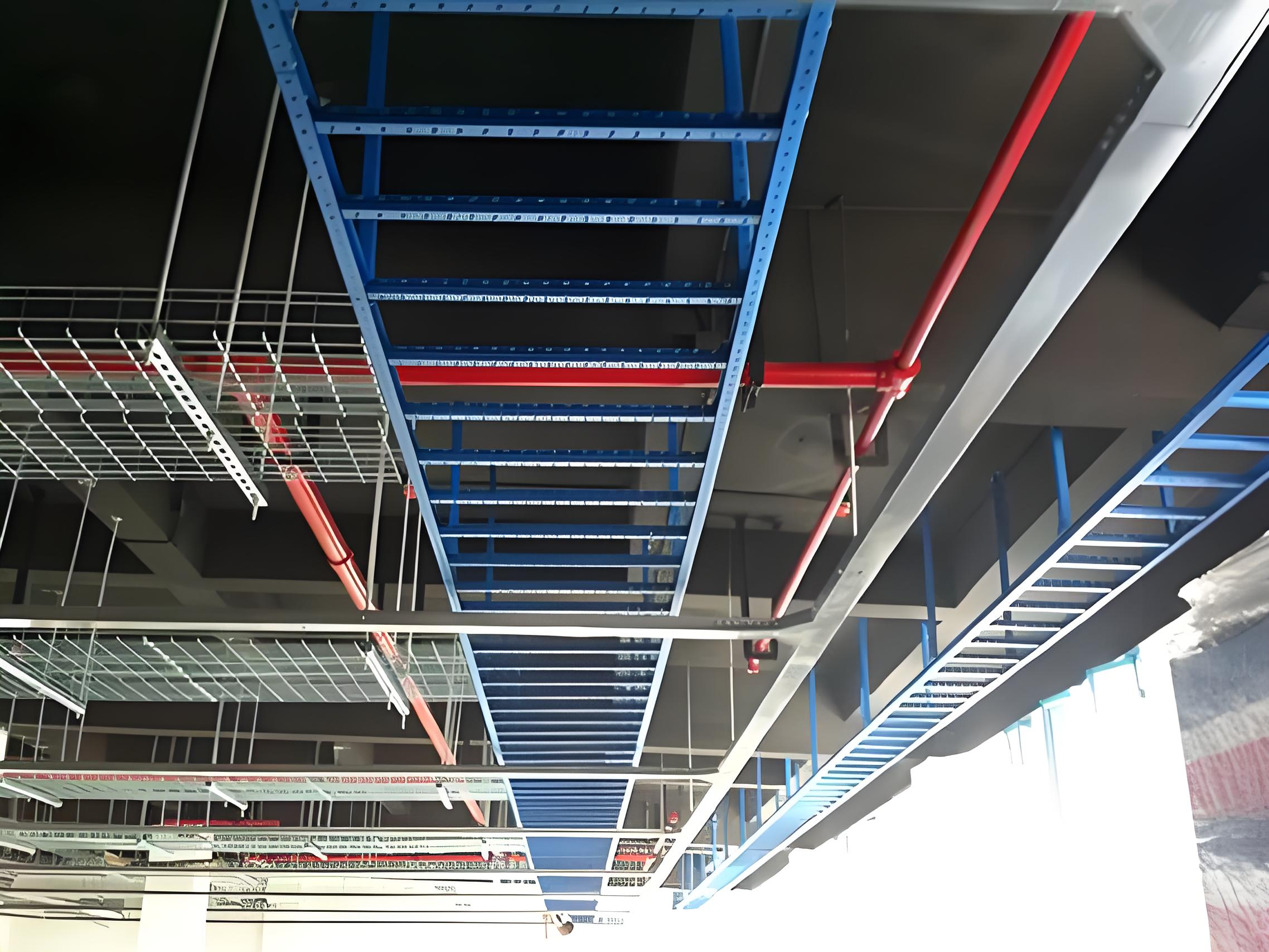
What “Bulk Project Supply” Actually Means
A bulk cable tray PO is not just a big version of a small PO. It has structural differences that affect how you should evaluate suppliers.
Volume and delivery phasing
Most large projects do not take 30,000 meters in one container. They need delivery in 3, 5 or 8 batches over 6–12 months, matched to the electrical installation schedule. The first batch goes to the main cable rooms, the next to the distribution floors, the last to the outlying buildings. A supplier that can only ship in one big lot may force you to take delivery before the site is ready — and then you pay storage on your own yard.
Spec lock driven by the owner and consultant
On a commercial project, you choose the spec. On a bulk EPC project, the owner’s consultant writes the spec, usually referencing a standard like NEMA VE 1, IEC 61537, ASTM A123 or a project-specific general specification. Your supplier has to be able to quote to that exact spec, not their nearest standard product. If they push back with “we normally make it thinner,” that is a warning sign.
Documentation burden
A small order needs an invoice and a packing list. A bulk project needs material test certificates, coating thickness reports, weld procedure records, inspection release notes, a compliance declaration, and often a detailed spare parts list for the owner’s long-term maintenance file. Ask the supplier early whether they are set up to produce this package — not every factory is.
Qualifying a Supplier Before You Commit the PO
The cheapest bulk quote is not the one that saves the most money. The supplier who misses a delivery date, fails an inspection, or cannot match batch-to-batch consistency will cost you far more than the price gap on the proforma invoice.
Factory capacity and production slot
A small factory can make 500 meters a week. A 20,000-meter project at that rate is a 40-week delivery — longer than the project itself. Before you place the order, ask the supplier which production line will make your trays, what their weekly output is on that line, and when they can start. Ask for a rough production schedule showing each batch. A supplier that gives you a week-by-week plan is a supplier that has thought about your order.
Third-party inspection acceptance
Most large projects require inspection by SGS, BV, Intertek or the owner’s own inspector. Confirm up front that the supplier allows inspectors on the production floor, provides test samples, and corrects non-conformities at their own cost. Some factories resist inspection or charge for every inspector visit — that is not a supplier you want on a regulated project.
Financial stability and order history
A bulk PO often requires a deposit, then staged payments against shipments. You want a supplier that has been in business long enough to survive a 12-month production cycle without a cash-flow crisis. Ask for references on two or three projects of similar size, and call them. The reference call is the cheapest due diligence you will do.
Pricing, Payment and Raw Material Risk
Bulk pricing looks straightforward on the spreadsheet. It is not. Three things quietly shift the final number after the contract is signed.
Raw material price fluctuation
Steel is a traded commodity. Over a 12-month project, hot-rolled coil prices can move 10–20%. If you sign a fixed-price PO for a long-running project, the supplier either absorbs the risk or quietly cuts thickness to protect margin. The fix is to agree on a raw material price adjustment clause tied to a published index, or to lock the material before production starts for each batch.
Payment terms and retention
Standard export terms are 30% deposit, 70% against B/L copy. On large projects, owners often ask for 5–10% retention held back until final acceptance. A supplier that refuses any retention at all, or demands 100% payment before shipment, is either new to project work or nervous about the credit. The right middle ground is worth negotiating before signature, not after.
Staged shipping and freight planning
Multiple batches mean multiple freight bookings. Ask the supplier whether they can consolidate shipments to optimize container loading, or whether they work with a forwarder who understands project logistics. A supplier that loads 85% of a container every time, instead of 65%, saves you real money on every batch.
Keeping Quality Consistent Across Thousands of Meters
The hardest part of bulk supply is not making one good tray. It is making tray number 10,000 the same as tray number 1. That is a factory discipline question, not a sales promise.
Batch control and traceability
Ask how the factory tracks the coil heat number, the galvanizing batch and the powder coating lot for each shipment. On a real project, if a coating fails at year two, you want to know which production batch it came from and whether the same issue exists on the other 25,000 meters. A supplier that can trace every meter to a heat number is a supplier that owns quality.
In-process inspection, not just pre-shipment
Pre-shipment inspection catches problems after the whole batch is made. A mature factory also checks dimensions after bending, coating thickness after galvanizing, and finish after powder coating — on a sample taken from every shift. Ask to see their in-process check records. If they only inspect at the end, you are carrying more risk than you should.

Why Project Buyers Work With BDCABLETRAY on Bulk Supply
BDCABLETRAY has supplied bulk cable tray to EPC contractors, data center developers and utility owners on projects from 3,000 to over 40,000 meters. We run bulk orders on dedicated production lines, hold weekly production review calls with our project customers, and issue a batch-by-batch material traceability file that drops straight into your project closeout dossier.
We accept third-party inspection at every stage, correct non-conformities at our cost, and plan staged delivery around your installation schedule rather than our shipping convenience. We also stock common accessories so even last-minute site changes do not become a six-week lead time.
If you are scoping a bulk cable tray package for a large project and want a supplier that treats it as a project, not a repeat retail order, contact BDCABLETRAY. Send us your bill of quantities, project specification and required delivery schedule — we will come back with a production plan, a batch-by-batch delivery outline and a transparent pricing breakdown within two working days.
FAQ
1. What order size qualifies as bulk cable tray supply?
We treat anything above roughly 3,000 meters, or any order tied to a fixed project schedule with staged delivery requirements, as a bulk project order. Below that, standard export pricing and terms apply. Above that, we assign a dedicated account manager and issue a project-specific production plan.
2. Can you deliver in multiple batches over 6–12 months?
Yes. Most of our bulk customers take delivery in 3–8 batches aligned to their installation schedule. We hold production slots on our line and confirm each batch date in writing before it ships. We can also hold finished stock at our warehouse if your site needs delivery on shorter notice.
3. Do you accept third-party inspection on bulk orders?
Yes. We welcome inspection by SGS, BV, Intertek, the owner’s inspector or your own QC team at any production stage. Inspection costs are usually split between buyer and supplier by agreement. Non-conformities found during inspection are corrected at our cost before shipment.
4. Can you lock a fixed price for a 12-month project?
We can offer a fixed price for production within 90 days. For longer projects, we recommend a price adjustment clause tied to a published steel index, which protects both sides from unexpected raw material swings. We will explain the trade-off on your quote so you can choose the structure that fits your contract with the owner.
5. What documentation do you provide for project closeout?
We supply mill test certificates, coating thickness reports, weld procedure records, inspection release notes, a compliance declaration, drawings-as-built and a recommended spare parts list. The package is formatted to drop into your project dossier, and we can adjust it to your consultant’s required template if needed.