



Most heavy industrial plants, power stations and large logistics parks rely on high-voltage and large-diameter power cables for long-term continuous operation. In these heavy-load scenarios, ordinary wire mesh trays and closed solid trays often fail to meet actual engineering demands. Mesh trays have limited load-bearing capacity and cannot support thick power cable bundles, while fully closed trays cause serious heat accumulation, easily triggering cable temperature rise, power derating and even aging damage.
Ladder cable trays are professionally designed for heavy-duty power distribution scenarios. Featuring super high load-bearing capacity, fully open ventilation structure and strong environmental adaptability, they have become the preferred cabling carrier for industrial backbone power circuits. BDCABLETRAY recently completed a large-scale ladder cable tray laying and upgrading project for a chemical industrial park power distribution renovation. This practical case shares on-site pain points, customized solutions and long-term operational effects, providing reliable reference for industrial electrical engineering construction.
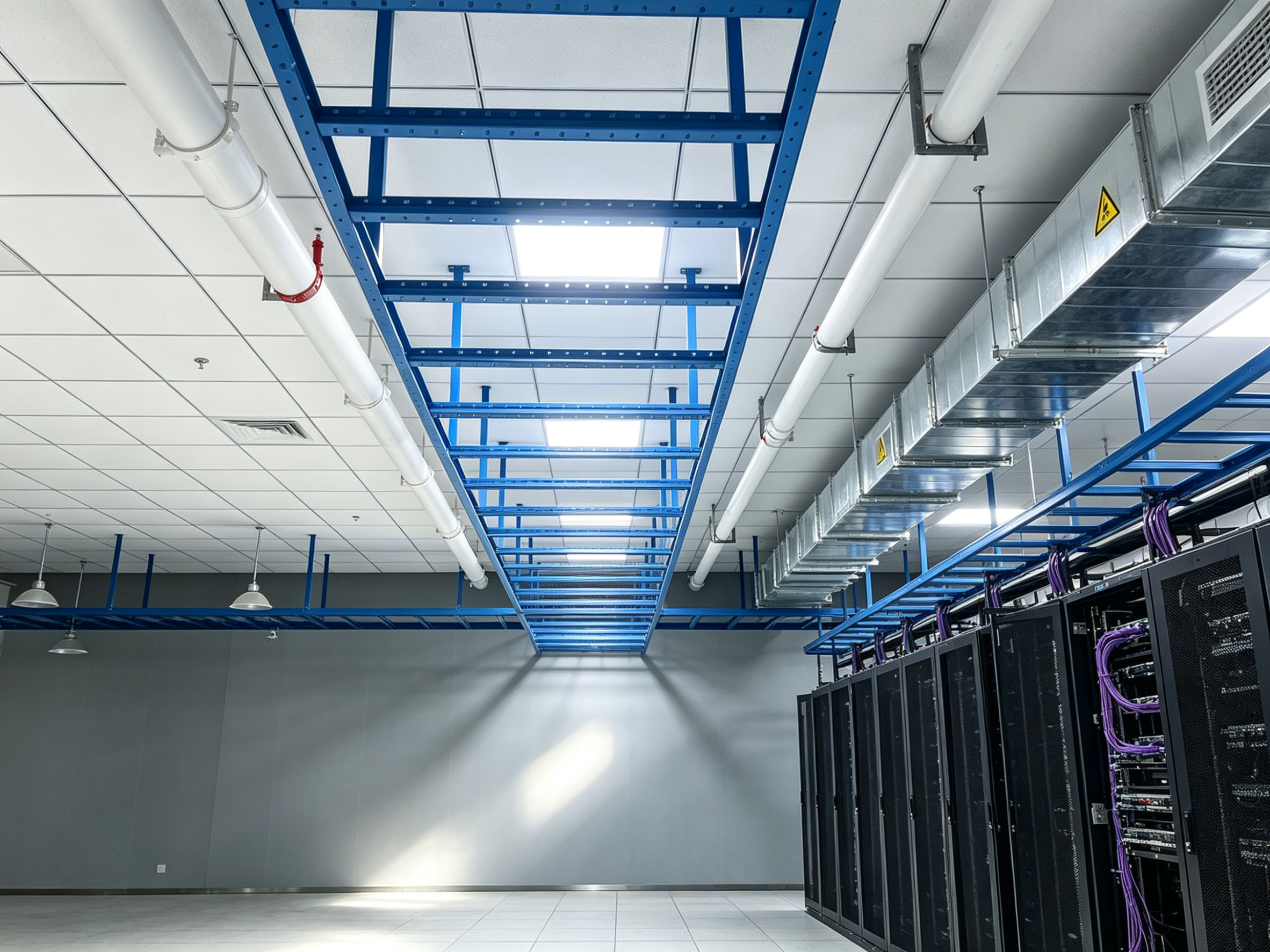
Project Background & On-Site Cabling Pain Points
This project is a key power distribution renovation project for a chemical industrial park, covering factory main power corridors, workshop power distribution lines and outdoor overhead cabling sections. The whole area involves high-power equipment operation, with dense large-diameter power cables and 24-hour continuous power supply. The original cabling system adopted ordinary perforated cable trays, which exposed many safety and operational problems after years of high-load operation, requiring overall standardized upgrading.
Insufficient Load-Bearing Capacity for Thick Power Cables
The industrial park adopts a large number of high-voltage thick cables for backbone power transmission. Ordinary perforated trays have weak structural rigidity. Long-term bearing of heavy cable bundles causes local bending and structural deformation. Slight deformation will lead to uneven cable stress, affecting the stability of power transmission and bringing potential safety hazards.
Severe Heat Accumulation Leading to Cable Derating
High-power cables generate massive heat during full-load operation. The semi-closed structure of traditional perforated trays has poor air circulation efficiency. Heat cannot be dissipated in time, resulting in continuous high temperature of cable layers. Long-term high-temperature operation leads to serious cable ampacity derating, reducing power supply efficiency and accelerating insulation layer aging.
Poor Adaptability for Outdoor & Harsh Industrial Environment
Part of the power distribution lines are laid outdoors and in corrosive workshop areas. Ordinary trays have simple anti-corrosion treatment, which cannot resist industrial chemical gas erosion, humid air and outdoor wind and sun exposure. The tray surface is prone to rust and peeling, and the service life is far lower than the engineering design standard.
Inconvenient Inspection & Difficult Cable Maintenance
The traditional tray structure blocks the upper and lower sides of cables. Daily temperature detection, insulation inspection and faulty cable replacement require complex disassembly work. The complicated maintenance process increases equipment downtime and affects the continuous production operation of the industrial park.
BDCABLETRAY Custom Ladder Cable Tray Solution
Combined with the heavy-load power transmission characteristics, harsh on-site environment and long-term safe operation needs of the chemical park project, BDCABLETRAY abandoned the traditional tray design scheme. We adopted heavy-duty hot-dip galvanized ladder cable trays, and formulated targeted structural optimization, anti-corrosion upgrading and segmented laying schemes to completely solve the pain points of insufficient load-bearing, poor heat dissipation and easy corrosion of the original system.
Reinforced Ladder Structure for Super Heavy Load-Bearing
BDCABLETRAY customized ladder cable trays adopt thickened side rails and reinforced cross rung welding structure. The overall structural rigidity is greatly improved, with uniform stress and strong bearing capacity. It can stably support layered laying of large-diameter high-voltage power cables for a long time, effectively avoiding tray bending, deformation and cable sagging problems under heavy load. The stable structural performance fully meets the long-term operation requirements of industrial heavy-power distribution systems.
Full Open Ladder Gap for 360° Heat Dissipation
Different from closed and perforated trays, the ladder tray’s hollow ladder gap design realizes full air circulation at the top, bottom and sides of the cable. The open structure quickly takes away massive heat generated by high-load cable operation, effectively solving heat accumulation and cable temperature rise problems. It avoids power ampacity derating, ensures full-load stable power transmission, and greatly delays cable insulation aging speed.
High-Grade Hot-Dip Galvanized Anti-Corrosion Treatment
Aiming at the corrosive industrial and outdoor environment, all ladder trays adopt overall hot-dip galvanizing anti-corrosion technology. The zinc layer is thick, uniform and compact, with strong oxidation resistance, acid and alkali corrosion resistance. It can resist the erosion of industrial chemical gas, humid environment and outdoor ultraviolet radiation, effectively preventing rust and peeling, and adapting to long-term harsh environment operation.
Long-Span Splicing Design for Power Corridor Layout
Combined with the long-distance linear laying characteristics of industrial power corridors, BDCABLETRAY optimizes the tray splicing structure. The long-span design reduces intermediate supporting points and connecting accessories, making the overall laying more neat and unified. It reduces structural loopholes and loose hidden dangers caused by excessive splicing, and improves the overall stability of the power cabling system.
Open Layout for Easy Daily Inspection & Maintenance
The fully open ladder structure makes the upper and lower surfaces of all cables completely exposed. Maintenance personnel can directly use infrared temperature measuring equipment for daily detection, and intuitively check cable insulation and aging status. Faulty cables can be replaced and maintained without disassembling the tray, greatly improving maintenance efficiency and reducing production downtime losses.
Post-Project Operation Effects & Comprehensive Advantages
After the completion of the BDCABLETRAY ladder cable tray renovation project, the industrial park’s power distribution system achieved comprehensive upgrading. The reinforced ladder structure operates stably for a long time, with no deformation or sagging of heavy cable bundles, and the overall structural safety is significantly improved.
The open heat dissipation structure fundamentally solves the problem of cable heat accumulation. The average operating temperature of high-voltage cables is effectively reduced, the power transmission efficiency is stable, and the cable aging speed is significantly slowed down. After one year of actual operation, there is no power derating or line failure caused by high temperature, ensuring the continuous and stable power supply of factory production equipment.
The high anti-corrosion galvanized layer adapts to harsh industrial and outdoor environments, with no rust or peeling phenomenon. The neat and standardized laying layout successfully passes industrial electrical safety inspection and fire acceptance. Meanwhile, the convenient maintenance feature greatly reduces daily operation and maintenance costs, creating higher long-term economic benefits for the project.
Main Application Scenarios of BDCABLETRAY Ladder Cable Tray
Industrial Park & Factory Power Distribution Corridors
Suitable for long-distance laying of high-voltage heavy-duty power cables in chemical, mechanical manufacturing and energy industrial parks, meeting heavy-load power transmission needs.
Power Plant & Substation Engineering
Ideal for power station main power lines and substation distribution cabling, relying on super load-bearing and high heat dissipation performance to ensure safe grid operation.
Outdoor Overhead & Corrosive Environment Projects
Applicable for outdoor overhead power lines, coastal humid environments and chemical corrosive workshops, with excellent anti-corrosion and weather resistance.
Large Commercial Building Main Power Systems
Used for backbone power distribution cabling of super high-rise buildings and large shopping malls, solving the heat dissipation and load-bearing problems of dense power cables.
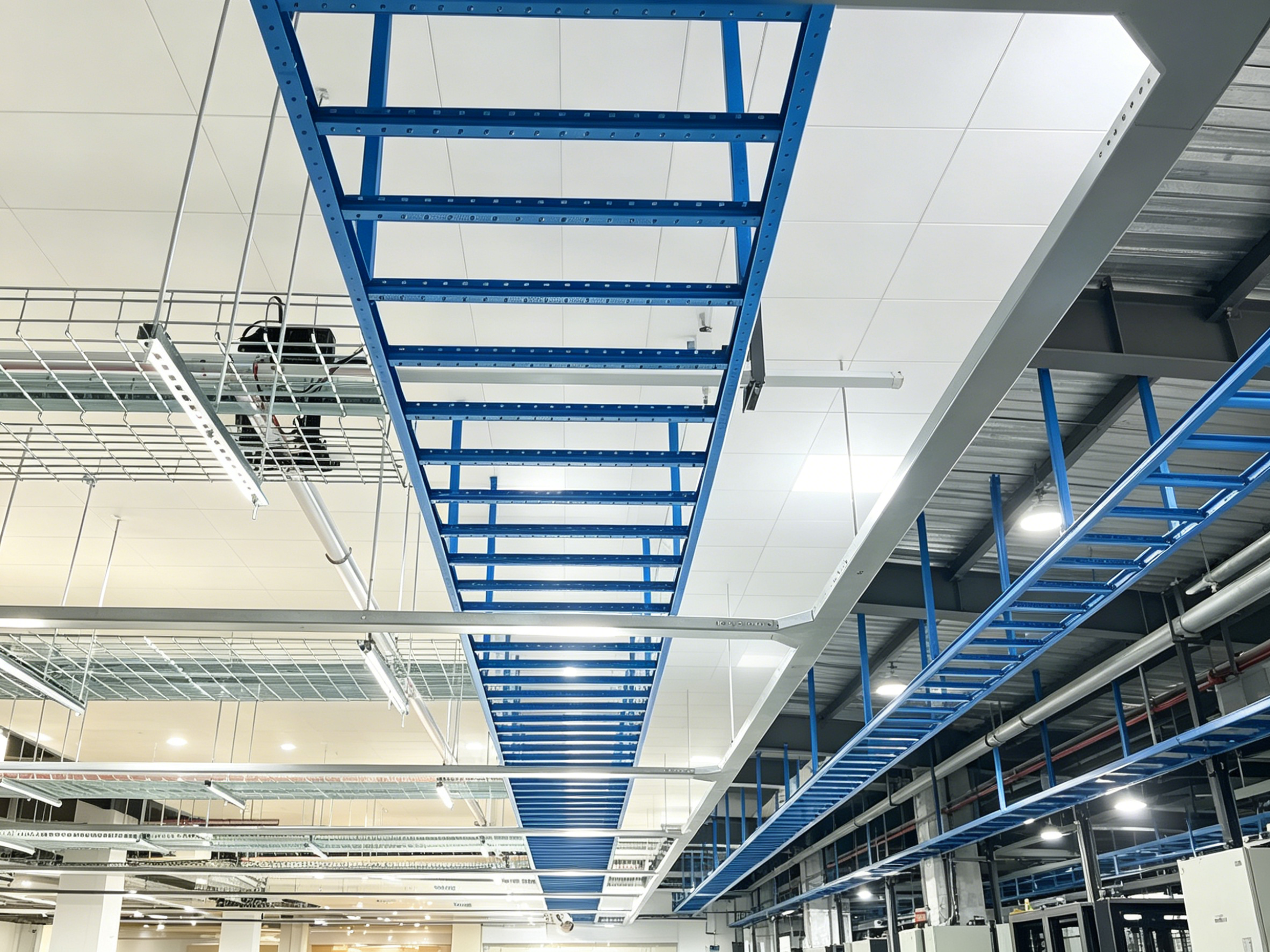
Core Product Advantages of BDCABLETRAY Ladder Cable Tray
Heavy-Duty Load-Bearing & Stable Structure
Reinforced thickened ladder structure has strong bearing capacity, which can stably carry large-diameter high-voltage cable bundles for a long time, avoiding deformation and sagging, and adapting to industrial heavy-load power distribution scenarios.
Superior Open Heat Dissipation Performance
Full hollow ladder gap realizes 360° air convection, efficiently dissipates cable operating heat, prevents temperature rise and power derating, and extends the service life of power cables.
Excellent Anti-Corrosion & Weather Resistance
Standard hot-dip galvanized process resists chemical corrosion, humid air and outdoor ultraviolet aging, suitable for various harsh industrial and outdoor environments, with long service life.
Low Maintenance & High Compliance
Open layout is convenient for daily inspection and rapid fault maintenance, reducing operation costs. The overall structure meets international electrical and fire safety standards, with high project acceptance qualification rate.
If you need heavy-load, high heat-dissipation and corrosion-resistant ladder cable tray solutions for industrial power distribution, power plant and outdoor engineering projects, contact BDCABLETRAY. Our professional engineering team provides free on-site layout design, load-bearing verification and personalized product customization services to ensure your power cabling system is safe, compliant and durable.
FAQ
1. What is the main difference between ladder cable tray and wire mesh cable tray?
Ladder cable trays focus on heavy-load power cable laying, featuring reinforced rigid structure, super load-bearing capacity and open heat dissipation gaps, suitable for high-voltage thick cable industrial scenarios. Wire mesh trays are lightweight and flexible, mainly used for weak-current cables such as network and optical fibers. Simply put, ladder trays are for heavy power circuits, while mesh trays are for light signal circuits.
2. Are ladder cable trays suitable for outdoor and corrosive environments?
Yes. BDCABLETRAY ladder cable trays adopt overall hot-dip galvanizing anti-corrosion treatment. The compact zinc layer can effectively resist humid air, ultraviolet radiation and mild chemical corrosion. They perform stably in outdoor overhead laying, coastal areas and chemical workshops, and are far more adaptable than ordinary perforated and mesh trays.
3. Can ladder cable trays solve cable overheating and power derating problems?
Absolutely. The fully open ladder hollow structure forms unobstructed air convection around the cables, which can quickly take away the heat generated by high-load operation. It effectively controls cable operating temperature, avoids power ampacity derating caused by heat accumulation, and ensures stable and efficient power transmission of industrial systems.
4. What engineering scenarios are ladder cable trays most suitable for?
Ladder cable trays are the best choice for heavy-duty power distribution scenarios. Main applicable scenarios include industrial park power corridors, power plants, substations, outdoor overhead power lines, corrosive workshop power distribution and main backbone power cabling of large buildings, which have high requirements for load-bearing and heat dissipation.
5. Can BDCABLETRAY customize ladder cable trays for special projects?
Yes. BDCABLETRAY supports full personalized customization of ladder cable trays. We can adjust side rail thickness, cross rung spacing, tray width and surface treatment processes (hot-dip galvanized, electrostatic spraying, stainless steel) according to project load demand, environmental conditions and laying length, and provide matching supporting accessories and installation guidance.